
Boiler Upgrade Scheme Eligibility 2026 — Does Your Home Qualify?
Check every BUS grant eligibility rule for 2026 — property type, tenure, EPC changes, listed buildings, park homes and more. Find out if your home qualifies.

Written by Heat Pump Buddy
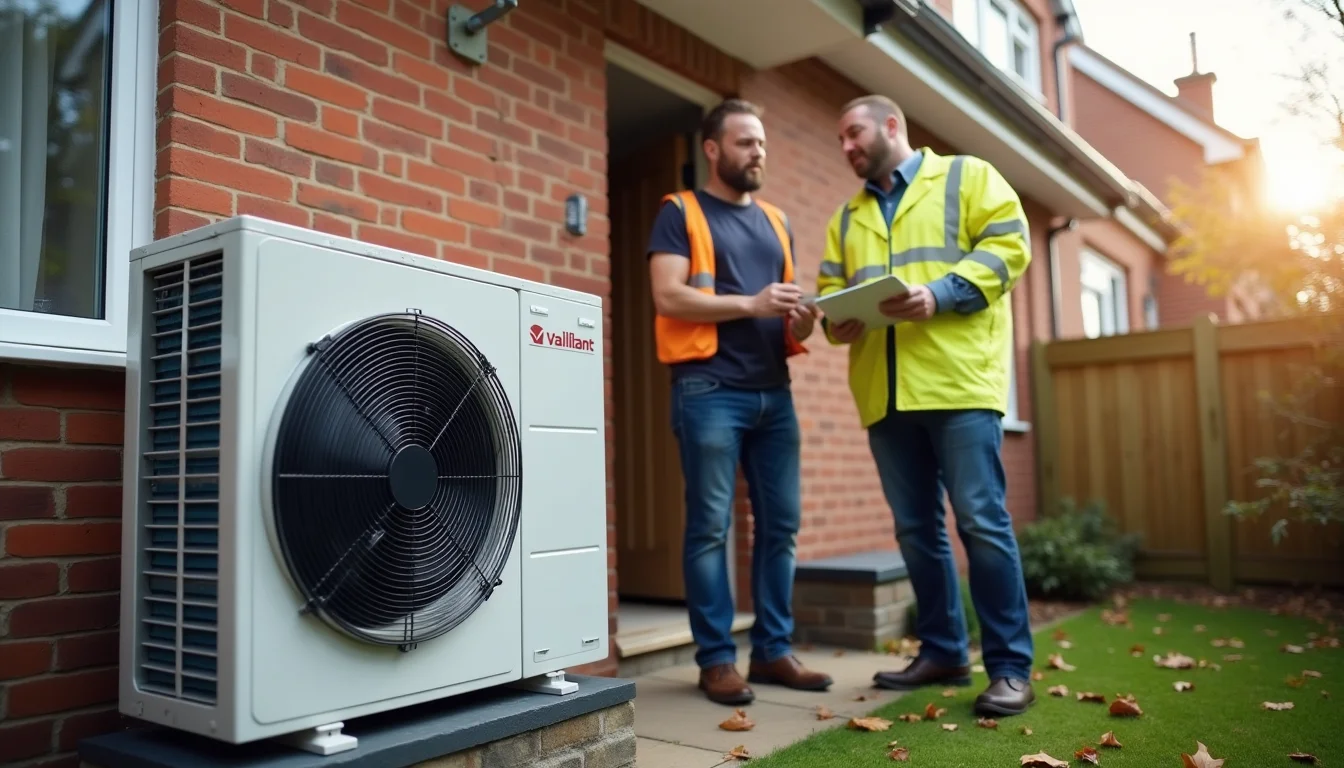
If you own your home in England or Wales and it's not a new build, you're probably eligible for the Boiler Upgrade Scheme grant of £7,500 towards a heat pump. Since April 2026, the government has removed the EPC requirement entirely, which means thousands of homes that were previously borderline can now apply. But there are still rules around property type, tenure and existing heating systems that trip people up, so let's go through every one.
What are the basic Boiler Upgrade Scheme eligibility rules in 2026?
The BUS grant is administered by Ofgem on behalf of the UK government. The current scheme rules set out a handful of core conditions your property must meet:
- You must own the property. This includes freehold, leasehold and shared ownership (more on that below).
- The property must be in England or Wales. Scotland has its own grant scheme through Home Energy Scotland.
- You must be replacing an existing fossil fuel heating system or an electric heating system. That means gas, oil, LPG or direct electric.
- The installation must be carried out by an MCS certified installer. No MCS certificate, no grant. You can read more about what MCS certification means and why it matters.
- The property must not be a new build. If it's never been occupied before, it doesn't qualify.
Those are the basics. But the edge cases are where most of the confusion sits.
Does my property type qualify for the BUS grant?
Most standard property types are fine. Detached houses, semis, terraces, bungalows and flats with their own self-contained heating system all qualify. But what about the less obvious ones?
Flats and apartments
A flat qualifies as long as it has its own individual heating system that you're replacing. If your block uses a communal boiler or district heating network, you can't claim BUS for an individual unit because you don't control the heating system. If you own a flat with its own combi boiler, though, you're fine.
Park homes and mobile homes
This catches people out. Park homes on a residential site can qualify, but only if the home is on a permanent residential pitch and you own the unit itself. You'll also need an MCS installer willing to design a system for a park home, which can be trickier because of the construction type and insulation levels. It's worth getting a proper heat pump survey done early.
Listed buildings and conservation areas
Listed buildings are eligible for BUS. Full stop. You will, however, need listed building consent from your local planning authority before any external equipment goes up. An air source heat pump on the side of a Grade II listed cottage is entirely possible, but your installer needs to factor in placement restrictions and potentially a longer planning timeline.
If you're in a conservation area but your building isn't individually listed, you may still need planning permission for the external unit. Check with your local authority.
Annexes and outbuildings
A self-contained annexe with its own heating system and its own council tax band can qualify as a separate property. If the annexe shares a heating system with the main house, it's treated as one property and you'd get one grant for the whole system.
Mixed-use properties
If you live above your shop or run a business from part of your home, the property can still qualify as long as it's primarily used as a dwelling. The Ofgem BUS guidance doesn't set a hard percentage threshold, but in practice, if your home is at least 50% residential by floor area, most installers will apply without issues.
What changed with the EPC requirement in April 2026?
This is probably the single biggest change to BUS eligibility in 2026. Before April 2026, you needed a valid EPC with no outstanding loft or cavity wall insulation recommendations (or you had to prove those measures weren't appropriate). That rule knocked out a lot of older properties, particularly solid-wall homes where cavity insulation simply isn't possible.
From April 2026, the EPC requirement has been removed entirely. You no longer need an EPC to apply for BUS. You don't need to have had one done. And you don't need to prove you've acted on any insulation recommendations.
Does that mean insulation doesn't matter? Not exactly. A heat pump will still work better and cost less to run in a well-insulated home. But the grant itself no longer depends on it, which is a welcome change for owners of older and harder-to-treat properties.
How does tenure affect BUS eligibility?
Owner-occupiers
If you own and live in the property, you're the straightforward case. You apply through your MCS installer, Ofgem approves the voucher, and the £7,500 comes off your installation quote.
Landlords
Private landlords can apply for BUS on a rental property. The grant amount is the same £7,500. The landlord applies, not the tenant. One thing to be aware of: you can claim BUS for multiple properties if you're a portfolio landlord, but each property gets assessed individually.
Shared ownership
If you own your home through a shared ownership scheme, you can apply. You'll typically need permission from the housing association that owns the other share, but BUS itself doesn't bar you. Get that written permission before your installer submits the application.
Tenants
If you're a tenant, you can't apply. Only the property owner can. If you're renting and think a heat pump would cut your bills, you could ask your landlord to look into BUS, but the decision is theirs.
The £7,500 BUS grant: what it covers and the higher £9,000 amount
The standard BUS grant is £7,500 for an air source or ground source heat pump. Since April 2026, homes currently heated by oil or LPG can claim up to £9,000. This higher amount recognises that off-gas-grid homes often face higher conversion costs.
The grant is applied as a discount on your installer's quote. You never receive the money directly. Your installer claims it from Ofgem after the work is done. Here's what that looks like in practice.
Say you live in a three-bed semi in Leeds with a gas combi boiler. Your MCS installer quotes £12,500 for a 9kW air source heat pump, including a hot water cylinder, new controls and all labour. With the £7,500 BUS grant, you'd pay £5,000 out of pocket. If you were replacing an oil boiler instead, that same quote would drop to £3,500 thanks to the £9,000 grant. Those numbers are realistic for a well-insulated 1990s semi in 2026, based on typical installation costs.
Air-to-air heat pumps are now also eligible under BUS from April 2026, though they attract a lower grant amount. Check the full BUS overhaul details for the latest figures on those.
What disqualifies a property from the Boiler Upgrade Scheme?
Let's be direct about the things that will stop you getting BUS approval.
New builds. If your home has never been occupied, it doesn't qualify. The government's position is that new builds should have heat pumps fitted as standard under Part L building regulations, so they don't need a retrofit grant. There's a separate guide on heat pump grants for new builds if this applies to you.
Properties in Scotland. BUS covers England and Wales only. If you're in Scotland, look at the Home Energy Scotland grant and loan scheme instead. Our guide to heat pump installers in Scotland covers your options.
Properties already heated by a heat pump. If you already have a working heat pump and want to replace it with a newer model, BUS doesn't cover that. The scheme is specifically for switching away from fossil fuels or direct electric heating.
No MCS installer. If your installer isn't MCS certified, the application can't go through. This is non-negotiable. The MCS certified installer database lets you check any company's accreditation.
Communal or district heating. If your home is connected to a communal heating system, you can't use BUS to break away from it and install your own heat pump.
Previous BUS grant on the same property. One grant per property. If the previous owner claimed BUS, you can't claim again.
"But what if my home is hard to treat?"
This is the worry that stops the most people from applying. You've got solid walls, single-glazed windows in a conservation area, or a draughty Victorian terrace. You assume a heat pump won't work or that you'll be turned down.
Here's the thing: the removal of the EPC requirement in April 2026 was specifically aimed at homes like yours. The government recognised that insulation rules were blocking the very properties that would benefit most from ditching oil and gas.
A good MCS installer will carry out a room-by-room heat loss calculation during the survey. If your home needs a slightly larger heat pump to cope with higher heat loss, that's a design decision, not a disqualifying factor. Plenty of Victorian terraces and older stone cottages are running heat pumps perfectly well.
The practical question isn't whether your home qualifies for the grant. It's whether the running costs stack up. And with electricity prices sitting around 24.5p/kWh under the current price cap and dedicated heat pump tariffs sometimes dropping below 20p/kWh, a well-sized heat pump with a COP of 3.0 or above is competitive with gas for most homes.
Frequently asked questions
Do I need an EPC to apply for the Boiler Upgrade Scheme in 2026?
No. The EPC requirement was removed in April 2026. You can apply for BUS without having a valid EPC certificate, and you won't be assessed on insulation recommendations. Your MCS installer will still carry out a heat loss survey as part of their system design.
Can I get the BUS grant on a park home?
Yes, in most cases. Your park home needs to be on a permanent residential pitch and you need to own the unit. You'll also need an MCS certified installer experienced with park home installations, as the design considerations are different from a standard brick-built house.
Is the Boiler Upgrade Scheme available in Scotland?
No. BUS only covers properties in England and Wales. Scottish homeowners should look at the Home Energy Scotland grant and loan scheme, which offers up to £7,500 for heat pump installations through a separate funding stream.
Can a landlord apply for the BUS grant on a rental property?
Yes. Private landlords can apply for BUS on properties they rent out. The grant amount is the same as for owner-occupiers. The landlord makes the application through their chosen MCS certified installer, and the tenant doesn't need to be involved in the process.
What if my property already had a BUS grant from a previous owner?
You can't claim a second BUS grant on the same property. The grant is linked to the property, not the owner. If the previous owner received a BUS voucher and had a heat pump installed, the property is no longer eligible regardless of any change in ownership.
If you've worked through this list and your property ticks the boxes, the next step is getting quotes from MCS certified installers in your area. You can find local heat pump installers near you and request quotes from companies who handle the BUS application on your behalf. Most good installers will tell you within the first survey whether your home qualifies and what the grant will cover.
Ready to talk to an installer?
Every firm in the directory is MCS-certified, with reviews and grant registration shown on its listing.
Related guides
- Can You Combine the BUS Grant with Other Government Schemes?
Find out which UK government schemes you can stack with the £7,500 BUS grant in 2026 and which ones you can't. You could save thousands more.
- Heat Pump Grants for New Builds: What Financial Support Is Available in the UK?
The £7,500 BUS grant doesn't cover new builds. So what financial support CAN you get for a heat pump in a new home? Here's what's actually available in 2026.
- Boiler Upgrade Scheme Overhaul April 2026: Air-to-Air Heat Pumps, £9,000 Grants and No EPC Required
The Boiler Upgrade Scheme changed drastically on 28 April 2026. Find out who gets £9,000, why air-to-air heat pumps now qualify, and what no EPC means for you.