
How to Power a Heat Pump With Solar Panels: A Practical Guide for UK Homeowners
Want to run your heat pump on solar panels? This practical guide covers how much solar you need, battery storage, real savings, and how to cut running costs.

Written by Heat Pump Buddy
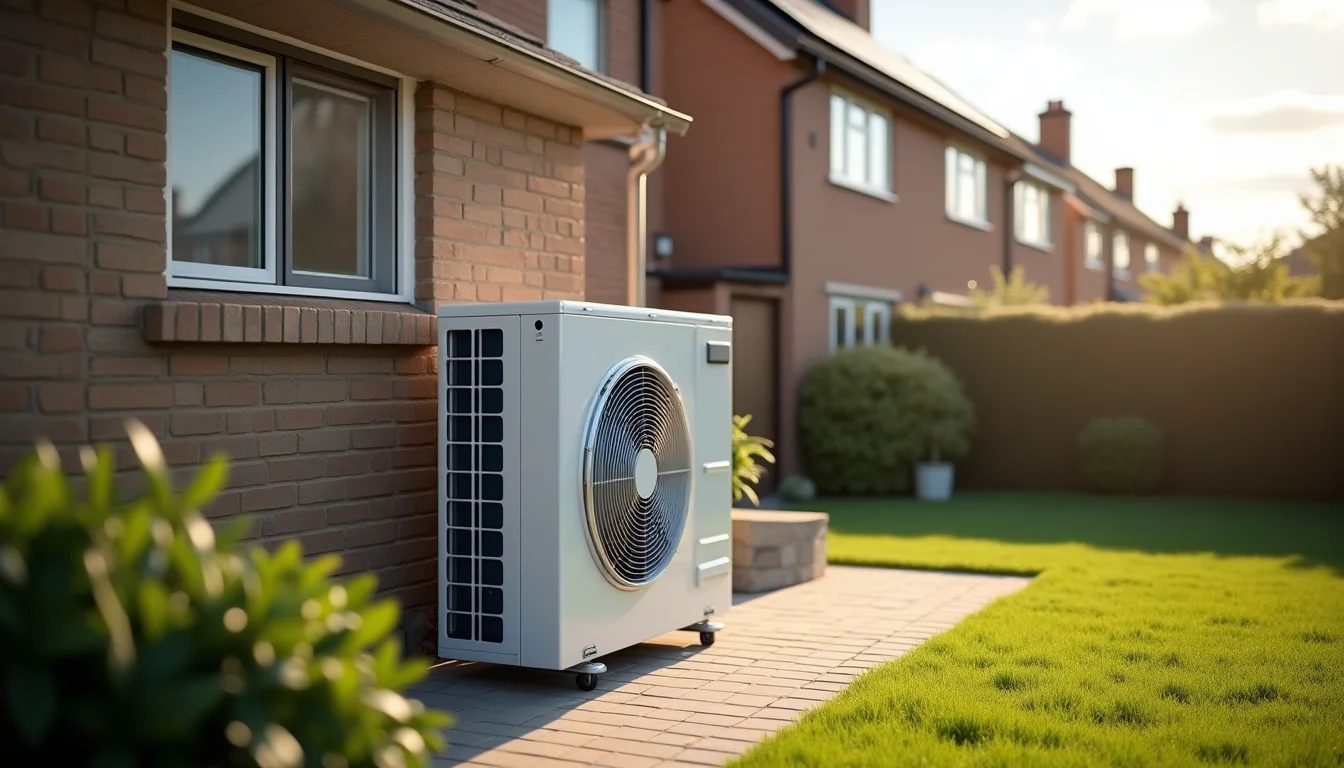
Yes, you can power a heat pump with solar panels, and it's one of the smartest ways to cut your electricity bills in 2026. A typical UK home needs between 4kW and 6kW of solar PV to meaningfully offset a heat pump's energy use, though the real trick is maximising how much of that solar electricity you actually use yourself rather than exporting it to the grid. Pair the two systems with a battery and some clever timing, and you can realistically cut your heat pump running costs by 40% to 60%.
How Much Solar Do You Actually Need to Run a Heat Pump?
Let's get specific. A well-sized air source heat pump in an average 3-bed semi uses roughly 3,500 to 4,500 kWh of electricity per year. A 4kW solar PV system in the south of England generates around 3,800 kWh annually, while the same system in northern England or Scotland produces closer to 3,200 kWh.
So on paper, a 4kW system covers most of your heat pump's annual electricity demand. But here's the catch: solar panels generate most of their energy in summer, and your heat pump works hardest in winter. In December and January, a 4kW array might produce just 4 to 6 kWh per day, while your heat pump could be drawing 15 to 20 kWh daily.
This mismatch is the single biggest thing to understand. If you've got the roof space and budget, going bigger with a 5kW or 6kW system makes a real difference. A larger array produces more usable energy during those shoulder months of October, November, March and April, when your heat pump is still working but the sun is giving you something decent to work with.
Can Solar Panels Power a Heat Pump in Winter?
Honestly, not fully. And anyone who tells you otherwise is overselling it.
During the darkest months, your solar panels will contribute maybe 15% to 25% of your heat pump's electricity needs. That's still worth having, but it's not the whole story. The real value of solar comes across the full year. In spring and autumn, you'll cover a much larger share. And in summer, when you're running hot water only, solar can cover virtually all of it.
Think of solar as reducing your annual electricity bill rather than eliminating your winter one. Over twelve months, the numbers work out well.
Is Battery Storage Worth Adding?
This is where a lot of homeowners get stuck. Battery storage isn't cheap, typically £4,000 to £6,500 for a decent 5kWh to 10kWh unit installed. So is it worth the extra spend?
For a solar and heat pump combination, a battery does two useful things. First, it stores daytime solar generation for evening use, which is when many heat pumps are working to keep the house warm. Second, if you're on a time-of-use tariff like Octopus Flux or Intelligent Go, you can charge the battery overnight at cheap rates (often around 7p to 10p per kWh) and use that stored energy during peak hours when electricity costs 24p or more.
A 5kWh battery is usually enough for a household with solar and a heat pump. Going bigger than 10kWh rarely pays for itself unless you have a very large solar array or you're trying to go almost entirely off-grid.
Frankly, the payback period on a battery alone is still around 8 to 12 years. But when you combine it with solar, a heat pump, and a smart tariff, the combined system payback tightens up significantly. For most homeowners adding solar to an existing heat pump, I'd say a battery is worth serious consideration but not essential.
How to Maximise Self-Consumption and Slash Running Costs
This is where the real savings live. Generating solar electricity is great, but if you're exporting most of it at 4p to 15p per kWh under the Smart Export Guarantee while buying it back at 24p, you're leaving money on the table.
Here are the practical steps that make the biggest difference:
Set your heat pump to run during solar peak hours. Most modern heat pumps have scheduling features or can be controlled via apps. Set your hot water cylinder to heat up between 10am and 3pm rather than overnight. If your home has decent insulation, you can also pre-heat the house during midday and let it coast into the evening.
Use a solar diverter. Devices like the MyEnergi Eddi or iBoost can automatically redirect excess solar electricity to your hot water immersion heater, ensuring nothing gets wasted.
Get on a smart energy tariff. Tariffs like Octopus Agile or Cosy let you pay less during off-peak windows and get paid more for export at peak times. Pairing this with a battery and a heat pump scheduler can genuinely halve your electricity costs compared to a flat-rate tariff.
Monitor your system. Apps from your solar inverter manufacturer (SolarEdge, GivEnergy, Solis) show you exactly when you're generating, consuming, and exporting. Spend a few weeks watching the data and adjusting your routines. Small changes make a surprising difference.
A Real-World Example: The Johnsons in Oxfordshire
Dave and Sarah Johnson had a 3-bed detached home in Didcot. They installed a Samsung 12kW air source heat pump in late 2025 using the BUS grant, then added a 5.5kW solar PV system with a 5.2kWh GivEnergy battery in early 2026.
Before the heat pump, their gas and electricity bills totalled around £2,100 a year. After switching to the heat pump alone, their electricity bill rose to roughly £1,350 annually (no more gas bill). Once the solar and battery went in, and they switched to a time-of-use tariff, their net electricity cost dropped to about £650 per year. That's a saving of around £1,450 compared to their old gas boiler setup.
Their solar system cost £6,800 and the battery added £4,200. At £1,450 in annual savings, the combined payback period is just over 7.5 years, after which they're essentially heating their home for a fraction of what their neighbours pay. And that's before factoring in likely energy price rises over the next decade.
How the £7,500 BUS Grant Helps You Get Started
The Boiler Upgrade Scheme is still available in 2026, offering £7,500 off the cost of an air source heat pump and £7,500 off a ground source heat pump. This grant is applied directly at the point of installation, so you don't need to find the full cost upfront and claim it back later.
To qualify, your home must have a valid EPC (with no outstanding loft or cavity wall insulation recommendations), and the installer must be MCS certified. The grant doesn't cover solar panels or batteries directly, but it dramatically reduces the upfront cost of the heat pump itself, which frees up budget for adding solar.
Here's something worth knowing: the BUS grant allocation runs in financial year blocks, and there's been strong uptake in 2026. If you're considering a heat pump, don't assume the grant will be around forever. Get a quote from an MCS certified installer and lock in your application while funding is confirmed.
"Won't Solar Panels Make My Roof Look Ugly or Damage It?"
This comes up a lot, and it's a fair concern. Modern black-on-black panels are far less conspicuous than the older blue-framed versions. On a dark slate or grey tile roof, they blend in well. Most installations don't require planning permission unless you're in a conservation area or a listed building.
As for roof damage, a properly installed system shouldn't cause any issues. Reputable MCS certified installers use mounting systems designed to weather UK conditions, and the installation process doesn't involve drilling through tiles. Rail-mounted systems hook onto the existing roof battens.
One genuine thing to check: your roof's age and condition. If your tiles are nearing the end of their life, it makes sense to re-roof first rather than fitting panels you'll need to remove in a few years. A good installer will inspect your roof and flag this before you commit.
Frequently Asked Questions
How many solar panels do I need to run a heat pump UK?
Most UK homes need between 12 and 16 solar panels (roughly 4kW to 6kW total capacity) to meaningfully offset a heat pump's annual electricity use. The exact number depends on your roof orientation, local climate, and how much your heat pump consumes. South-facing roofs produce the most, but east-west split arrays still work well.
Can I run a heat pump on solar panels only?
Not in winter, when solar output is low and heat demand is highest. Across a full year, a well-sized solar system can generate enough electricity to match your heat pump's total consumption, but you'll still draw from the grid during darker months. Adding battery storage and a smart tariff helps close the gap.
How much does it cost to install solar panels with a heat pump UK?
A typical 5kW solar PV system costs between £5,500 and £8,000 installed in 2026. An air source heat pump costs £10,000 to £14,000 before the £7,500 BUS grant. Combined, you're looking at roughly £8,000 to £14,500 out of pocket after the grant, depending on system sizes and your property.
Do I need a battery with solar panels and a heat pump?
A battery isn't essential, but it helps you use more of your own solar electricity instead of exporting it cheaply and buying it back at peak rates. A 5kWh battery typically costs £4,000 to £5,500 and can improve self-consumption by 20% to 30%. Whether it's worth it depends on your tariff and daily usage patterns.
Can I get a grant for solar panels and a heat pump together?
The BUS grant covers £7,500 towards a heat pump but doesn't cover solar panels or batteries. However, solar panels are VAT-free for residential installations in 2026, which saves you 20% compared to standard rated goods. Some local councils also run additional green energy schemes, so it's worth checking what's available in your area.
If you're ready to pair solar with a heat pump, the first step is finding a reliable MCS certified installer who can assess your property and design a system that actually works for your home. Use the heatpumpinstallerdirectory.co.uk directory to find vetted local installers, compare quotes, and get your project moving before the BUS grant allocation runs out.
Ready to talk to an installer?
Compare the listed firms, then check current MCS status, service coverage and any grant registration directly. Contact routes are shown when a firm has published one.
Related guides
- How Does a Heat Pump Work in Winter? A Practical Guide
Step-by-step explanation of how heat pumps extract warmth in freezing UK winters, including defrost cycles, backup heating, and tips to keep efficiency high.
- Do Heat Pumps Work With Existing Radiators?
Can you keep your existing radiators with a heat pump? Learn which radiators work, which need upgrading, and how flow temperature affects your heating system.
- Do Heat Pumps Work in Cold Weather in the UK?
Worried your heat pump won't cope with a UK winter? Here's how modern systems perform at sub-zero temperatures, plus practical tips to keep efficiency high.