
Do Heat Pumps Work in Cold Weather in the UK?
Worried your heat pump won't cope with a UK winter? Here's how modern systems perform at sub-zero temperatures, plus practical tips to keep efficiency high.

Written by Heat Pump Buddy
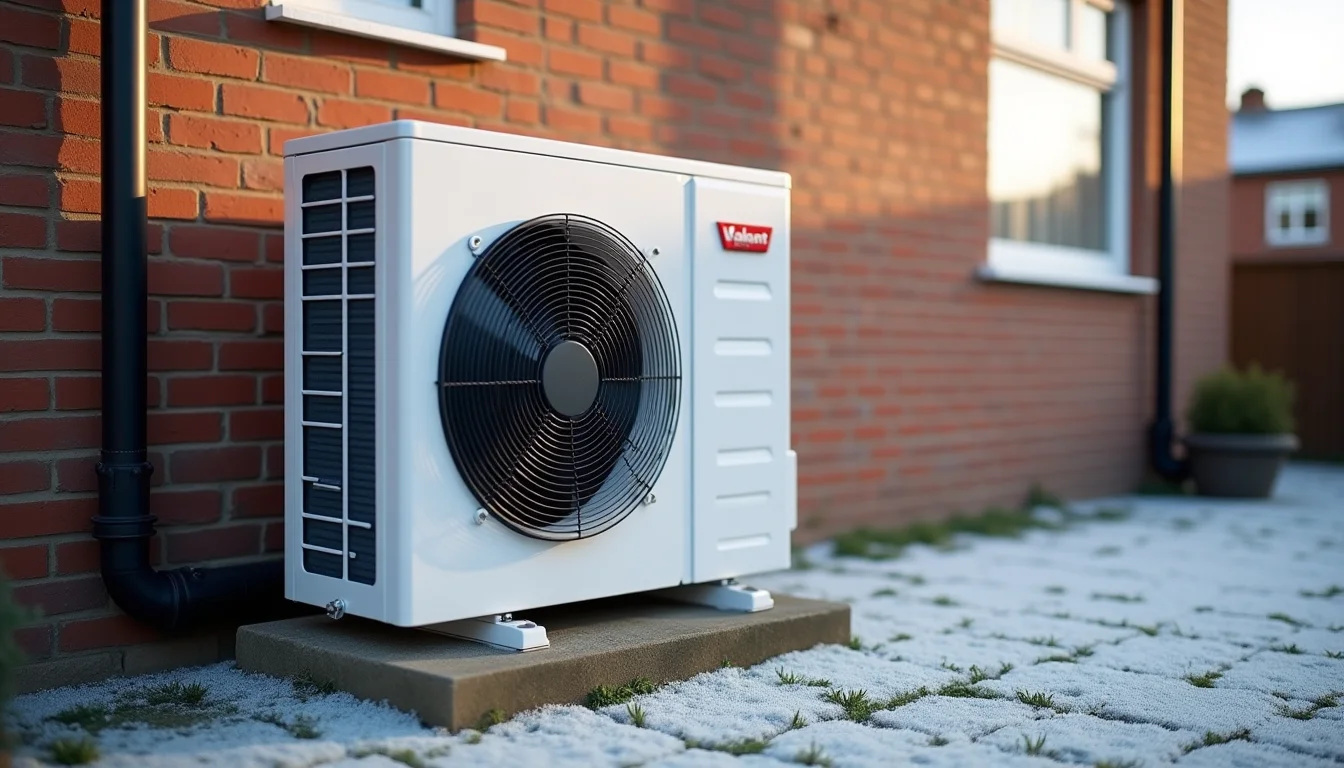
Yes, modern air source heat pumps work perfectly well in UK winters, including during sub-zero cold snaps. Most units sold in 2026 are rated to operate down to at least -15°C, and some models keep running at -25°C. The UK rarely drops below -10°C even in the coldest parts of Scotland, so cold weather performance simply isn't the problem many people assume it is.
How Do Heat Pumps Perform When Temperatures Drop Below Zero?
An air source heat pump extracts heat from outdoor air and concentrates it to warm your home. Even at -10°C, there's still usable thermal energy in the air. The physics works the same way a fridge extracts heat from its interior, just in reverse.
What does change is the efficiency. At 7°C, a decent air source heat pump might deliver a coefficient of performance (COP) of around 3.5 to 4.0, meaning it produces 3.5 to 4 units of heat for every unit of electricity it uses. At -5°C, that COP typically drops to around 2.0 to 2.5. That's still two to two and a half times more efficient than a direct electric heater.
The Energy Saving Trust confirms that well-installed air source heat pumps deliver seasonal efficiencies of around 280% to 350% across the full heating season, including the coldest months. That seasonal figure is the one that matters for your bills, not the COP on a single freezing morning.
What Happens During a Defrost Cycle?
When outdoor temperatures hover around 0°C to 4°C in damp conditions, ice can form on the heat pump's outdoor evaporator coil. This is normal. Every modern heat pump has an automatic defrost cycle built in.
During defrost, the system briefly reverses its refrigerant flow to melt the ice, which usually takes two to five minutes. You might notice the outdoor fan stops temporarily and a small amount of steam rises from the unit. Some homeowners see this and panic, thinking something's gone wrong. It hasn't.
A well-designed system handles defrost cycles without you feeling any drop in comfort indoors. If your radiators go noticeably cold during defrost, that can point to an undersized buffer tank or incorrect settings, both things an MCS certified installer should get right during commissioning.
Does the UK Actually Get Cold Enough to Cause Problems?
Here's the thing: the UK has a milder winter climate than many countries where heat pumps are already the default heating system. Norway, Sweden, and Finland have been heating homes with air source heat pumps for decades, and their winters are far harsher than ours.
According to the Met Office, the average UK winter temperature sits between 3°C and 6°C depending on location. Even in the Scottish Highlands, sustained periods below -10°C are unusual. The lowest temperature recorded in the UK this century was -23°C at Braemar in 2010, and that was a freak event.
So if you're in West Yorkshire worried about Pennine winters, or up in the Scottish Borders concerned about freezing nights, the short answer is that a properly sized system will handle it. The key phrase there is "properly sized." An undersized heat pump will struggle in cold weather, not because the technology fails, but because the installer got the heat loss calculation wrong.
Practical Steps to Keep Your Heat Pump Efficient in Cold Weather
There are several things you can do as a homeowner to make sure your heat pump performs well through winter.
Don't turn it off and on like a boiler. Heat pumps work best running at a low, steady temperature rather than being cranked up and switched off throughout the day. Set your heating schedule and let the system manage itself. Many people coming from gas boilers try to run their heat pump the same way and end up disappointed.
Keep the outdoor unit clear. Snow, leaves, and garden debris can block airflow across the evaporator. Give the unit at least 300mm of clear space on all sides and check it after heavy snowfall.
Make sure your home is well insulated. This is where older properties need extra attention. A heat pump in a draughty, uninsulated house will have to work much harder, pushing up electricity costs. Loft insulation, cavity wall insulation, and decent double glazing all help the heat pump deliver better results.
Consider your radiator sizing. Heat pumps typically run at lower flow temperatures than gas boilers (around 35°C to 45°C versus 60°C to 70°C). If your existing radiators are too small, they won't emit enough heat at those lower temperatures. Your installer should carry out a room-by-room heat loss calculation and may recommend upgrading some radiators or adding underfloor heating in key rooms.
Check your electricity tariff. With electricity prices in 2026 sitting around 24.5p per kWh under the Ofgem price cap, running costs matter. Some suppliers offer dedicated heat pump tariffs that drop the per-unit cost, which makes a real difference over a full winter.
How Much Does Cold Weather Actually Add to Running Costs?
Let's put some numbers on this. Take a 1930s three-bed semi in Leeds with cavity wall insulation, a new 8.5kW air source heat pump, and a mix of upgraded radiators and underfloor heating in the kitchen extension.
The installer quoted £12,500 for the full system including a hot water cylinder. After applying the £7,500 BUS grant, the homeowner paid £5,000 out of pocket.
Across the 2025/26 winter, the system delivered a seasonal COP of about 3.1. The house used roughly 4,200 kWh of electricity for heating and hot water over the October-to-March period. At the current electricity rate of around 24.5p/kWh, that's approximately £1,030 for six months of heating. The old gas boiler was costing around £1,100 for the same period, so the running cost was broadly similar but the house is now heated by a system that should last 20+ years and produces zero direct carbon emissions.
During the coldest week of January, when overnight temperatures in Leeds dropped to -7°C, the electricity consumption was noticeably higher. But averaged across the season, that spike was smoothed out by the milder weeks either side.
The £7,500 Boiler Upgrade Scheme Grant and Cold Weather Concerns
The Boiler Upgrade Scheme offers £7,500 towards the cost of an air source or ground source heat pump in England and Wales. Since April 2026, the grant has increased to £9,000 for homes replacing oil or LPG boilers, which is particularly relevant for rural properties in colder, more exposed locations.
To qualify, your installation must be carried out by an MCS certified installer, and the system needs to be properly designed and sized. That MCS requirement is actually a safeguard for you as a homeowner. It means the installer must follow proper design standards, including calculating your home's heat loss at the design temperature for your area. In other words, the system should be sized to cope with the coldest weather your location is likely to experience.
You can check whether your property qualifies using the government's BUS guidance on gov.uk.
"But My Neighbour Said Their Heat Pump Can't Keep Up in Winter"
This is the most common objection, and it usually comes down to one of three things.
First, the system might be undersized. If the heat loss calculation was done badly or the installer cut corners, the heat pump simply can't produce enough heat on the coldest days. This is an installation problem, not a technology problem.
Second, the homeowner might be running it like a boiler. Switching it on for a few hours, cranking the thermostat to 25°C, then turning it off again is the worst way to use a heat pump. It forces the system to work flat out at high flow temperatures, which kills efficiency.
Third, the house itself might not have been prepared. An uninsulated solid-wall cottage losing heat through every surface will be a challenge for any heating system, not just a heat pump. But with proper insulation work done alongside the installation, even Victorian terraces can be heated effectively.
If you're hearing negative stories, ask whether the installation was done by an MCS certified company and whether a proper heat survey was carried out beforehand. The answer often explains the problem.
Frequently Asked Questions
Do heat pumps work in cold weather below zero?
Yes. Modern air source heat pumps are designed to work at temperatures well below zero, with most models rated to at least -15°C. Efficiency drops as it gets colder, but even at -5°C a heat pump still produces around two to two and a half units of heat per unit of electricity, which is far better than a conventional electric heater.
At what temperature does an air source heat pump stop working?
Most air source heat pumps sold in the UK in 2026 have minimum operating temperatures between -15°C and -25°C, depending on the model. UK winter temperatures almost never approach these limits, so in practice your heat pump won't stop working during normal British winters.
How much more electricity does a heat pump use in winter?
You should expect electricity consumption to roughly double during the coldest months compared to milder autumn or spring weeks. A typical UK home might use 700-900 kWh per month for heating in January versus 300-400 kWh in October. The seasonal average is what determines your annual bill.
Do I need a backup heater with a heat pump in the UK?
Most properly sized air source heat pumps don't need a backup heater for UK conditions. Many systems include a small internal electric immersion element for emergencies, but a well-designed installation should handle your full heating demand including on the coldest nights. If an installer tells you you'll rely heavily on backup heating, question whether the system is being sized correctly.
Can a heat pump heat my house on the coldest day of the year?
It should, if it's been properly designed. MCS standards require installers to size heat pumps based on the design temperature for your specific area, which accounts for the coldest conditions reasonably expected. For most of England, this design temperature is around -3°C to -4°C. For parts of Scotland, it might be -7°C or lower. The system should be sized to meet your full heat demand at that temperature.
If you're ready to explore whether a heat pump is right for your home, find a trusted MCS certified heat pump installer near you and get a proper survey booked in before next winter.
Ready to talk to an installer?
Every firm in the directory is MCS-certified, with reviews and grant registration shown on its listing.
Related guides
- Do Heat Pumps Work in Old Houses? The Complete Guide
Can you install a heat pump in a pre-1930s house? Yes. This guide covers solid walls, listed buildings, insulation fixes and real costs for older UK homes.
- Air Source vs Ground Source Heat Pump: How to Choose the Right System for Your Home
Air source or ground source heat pump? This practical guide helps UK homeowners choose the right system based on budget, garden size, and BUS grant eligibility.
- How to Install a Heat Pump in a Small Garden or Tight Space
Think your garden's too small for a heat pump? Think again. Here's how UK homeowners are fitting heat pumps into the tightest spaces and still claiming £7,500.