
Do Heat Pumps Work With Existing Radiators?
Can you keep your existing radiators with a heat pump? Learn which radiators work, which need upgrading, and how flow temperature affects your heating system.

Written by Heat Pump Buddy
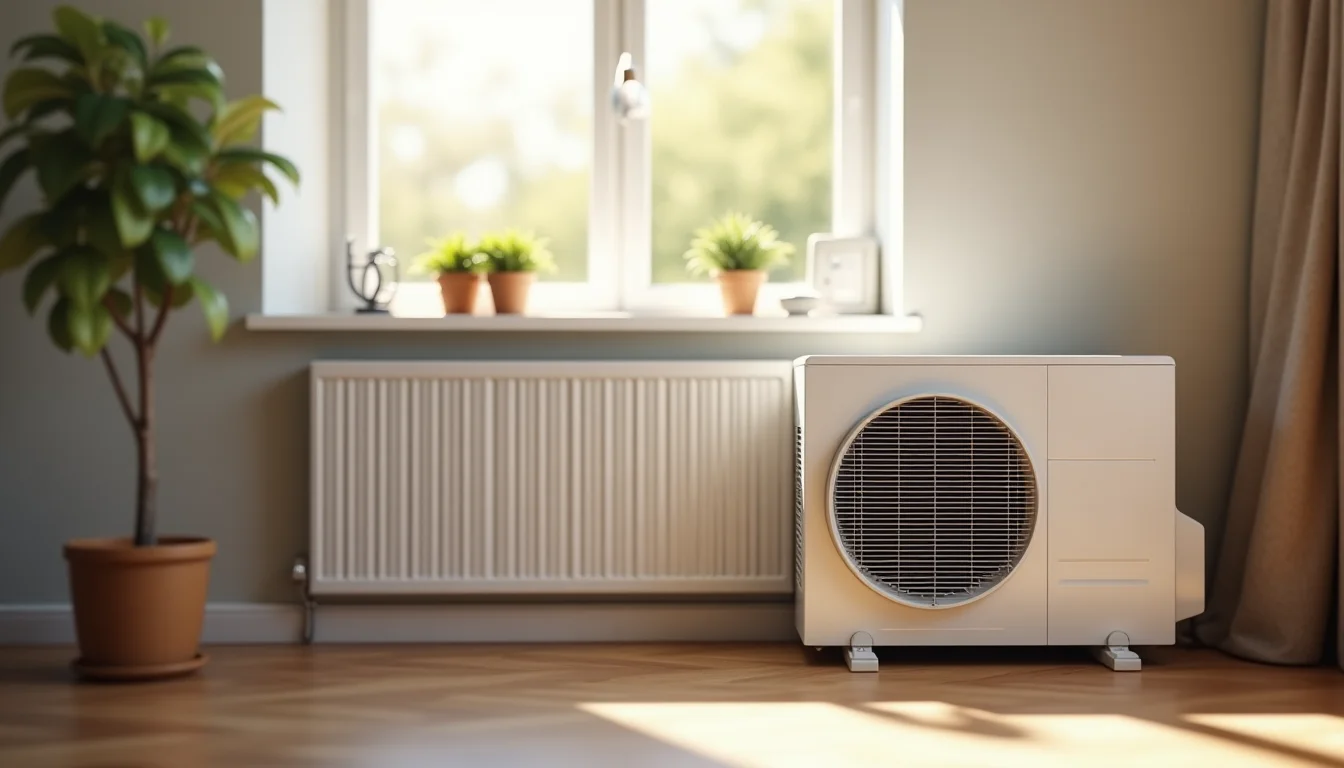
Yes, heat pumps can work with existing radiators in most homes. The key factor is whether your current radiators are large enough to heat each room at the lower flow temperatures a heat pump uses, typically 35°C to 45°C instead of the 60°C to 75°C a gas boiler runs at. Many homeowners find they can keep most of their radiators and only need to swap one or two in the rooms that struggle.
Why Do Heat Pumps Run at Lower Flow Temperatures?
A gas boiler heats water to around 65°C to 75°C and pushes it through your radiators quickly. A heat pump works differently. It's most efficient when heating water to between 35°C and 45°C, because the smaller the gap between outside air temperature and the water temperature it needs to produce, the less electricity it uses.
This matters because a radiator designed to warm a room with 70°C water flowing through it will put out significantly less heat when you drop that to 40°C. According to the Energy Saving Trust, a radiator running at 40°C produces roughly half the heat output it would at 70°C.
So the question isn't really "do heat pumps work with radiators?" It's "are my radiators big enough to do the job at a lower temperature?"
How to Work Out If Your Radiators Are Big Enough
Every radiator has a rated output measured in watts or BTUs. That figure you see on the manufacturer's spec sheet is based on a standard flow temperature of around 75°C with a 50°C mean water temperature (known as Delta T 50). At a heat pump's typical flow temperature, you need to derate that output.
Here's the rough rule of thumb. At a flow temperature of 45°C, a radiator puts out about 60% to 65% of its Delta T 50 rating. At 40°C, it's closer to 50%. At 35°C, expect around 40%.
So if you've got a radiator rated at 1,500 watts and you plan to run your heat pump at 45°C flow temperature, that radiator will actually deliver around 900 to 975 watts. If the room needs 900 watts to stay warm (based on a proper heat loss calculation), you're fine. If the room needs 1,200 watts, you'll need a bigger radiator.
A qualified MCS certified installer will do room-by-room heat loss calculations during your heat pump survey. Don't try to guess this yourself with online calculators alone. The survey is where you'll get a definitive answer.
Which Radiators Can You Keep, and Which Need Replacing?
In most UK homes, you won't need to replace every radiator. Here's how it typically breaks down.
Radiators you can usually keep:
- Oversized radiators, which are surprisingly common in UK homes, especially in kitchens, hallways, and bedrooms where the original installer fitted a panel convector bigger than strictly necessary
- Modern double panel, double convector radiators (Type 22) in rooms with reasonable insulation
- Any room where the existing radiator's derated output still meets or exceeds the calculated heat loss
Radiators you'll likely need to upgrade:
- Small single panel radiators (Type 11) in living rooms or larger bedrooms
- Towel rails in bathrooms, which are typically rated for very low heat outputs
- Cast iron column radiators in period homes, unless they're genuinely large ones
Radiators you should definitely replace:
- Any radiator that's corroded, leaking, or producing cold spots from internal sludge
- Undersized radiators in rooms that already struggle to get warm with the gas boiler
The good news? You don't always need to go bigger. Sometimes you just need to swap a Type 11 for a Type 22 in the same physical space, which can nearly double the heat output without changing the pipework.
What About Running a Heat Pump at Higher Flow Temperatures?
Some installers suggest running the heat pump at 55°C so you don't need to change any radiators. This does work in theory, but it comes at a cost.
A heat pump's efficiency, measured as its Coefficient of Performance (COP), drops as flow temperature rises. At 35°C flow, a good air source heat pump might achieve a COP of 4.0, meaning you get 4 kWh of heat for every 1 kWh of electricity. Push that up to 55°C and the COP might fall to 2.5 or even lower.
With electricity currently sitting around 24.5p per kWh on a standard tariff (Ofgem price cap, Q3 2026), that efficiency drop translates directly into higher running costs. Running at a COP of 2.5 instead of 3.5 could add £200 to £350 per year to your heating bills.
So yes, you can run hotter. But spending £1,000 to £2,000 on a few new radiators and then running the system efficiently at 40°C to 45°C will almost certainly save you more money over the system's 20-year lifespan.
Using the £7,500 BUS Grant to Cover Radiator Upgrades
The Boiler Upgrade Scheme provides a £7,500 grant towards the cost of an air source heat pump installation in England and Wales. From April 2026, the scheme has been expanded to include air-to-air heat pumps and the EPC requirement has been dropped, making more homes eligible.
Here's what many homeowners don't realise: the grant covers the cost of the heat pump system installation, and that can include radiator upgrades where they're necessary to make the system work properly. Your MCS installer will include any required radiator changes in the overall quote, and the £7,500 comes off the total.
Take a 1970s three-bedroom semi in West Yorkshire. The installer carries out a full survey and quotes £12,500 for an 8.5 kW air source heat pump, including four replacement radiators (two in the living room, one in the main bedroom, one in the bathroom). The £7,500 BUS grant brings the homeowner's cost down to £5,000. Over 15 to 20 years, the system should more than pay for itself through lower running costs, especially if the homeowner switches to a heat pump electricity tariff.
You can check whether your property qualifies by reading our BUS eligibility guide for 2026. Your installer handles the grant application on your behalf through the MCS portal.
"Won't My House Be Cold With a Heat Pump?"
This is the concern that stops more people than any other. And it's completely understandable. You've had a gas boiler blasting hot water through your radiators for years, and the idea of replacing it with something that runs at a lower temperature feels like a step backwards.
But here's the thing: a properly designed heat pump system heats your home to the same temperature as a boiler. The radiators just feel slightly less hot to the touch. Instead of a scorching 65°C radiator running in short bursts, you get a warm 40°C to 45°C radiator running for longer periods. The room still reaches 21°C. You still feel comfortable.
The difference is in how the heat is delivered, not how much heat you get. A gas boiler is like a sprint: high intensity, short duration. A heat pump is more like a steady jog: lower intensity, continuous output. Most people who've lived with a heat pump for a winter say the even, constant warmth is actually more comfortable than the hot-cold cycling of a boiler.
If you're in an older property, insulation improvements can make a real difference to both comfort and running costs. But even homes with solid walls are getting heat pumps fitted successfully across the UK in 2026, often with just a handful of radiator swaps.
Have you checked whether your radiators have their original spec sheets, or are the model numbers still readable? If so, you can look up the output ratings online before the installer visits. It's useful preparation, even though the installer will measure everything independently.
Frequently Asked Questions
Can I use my old radiators with a heat pump?
Yes, in many cases you can. The installer will calculate the heat loss for each room and compare it against each radiator's output at the planned flow temperature. Radiators that are already generously sized will often work fine without any changes.
Do I need to replace all my radiators for a heat pump?
No. Most homes only need to replace a few radiators, typically in the largest rooms or where small single panel radiators are fitted. According to Nesta's research on real heat pump installations, the average UK heat pump installation involves changing two to four radiators, not the entire house.
What size radiators do I need for a heat pump?
Your radiators need to match or exceed the heat loss of each room at the heat pump's flow temperature, usually 35°C to 45°C. As a rough guide, you may need radiators with a Delta T 50 output rating roughly double the room's actual heat loss figure, because the derated output at lower temperatures will be around 50% to 65% of the rated figure.
Do heat pumps work with underfloor heating and radiators together?
Yes, and this is actually a common setup. Underfloor heating works brilliantly with heat pumps because it's designed for low flow temperatures anyway. Many installers fit underfloor heating on the ground floor and keep radiators upstairs, giving you the best of both worlds.
How much does it cost to upgrade radiators for a heat pump?
A single replacement Type 22 radiator typically costs between £150 and £400 fitted, depending on size and whether pipework changes are needed. For a typical three-bedroom house needing three to four new radiators, expect to add £600 to £1,500 to the overall installation cost. This can usually be included within the BUS grant-supported quote from your MCS certified installer.
If you're ready to find out whether your radiators will work with a heat pump, the best next step is to get a proper survey from a qualified local installer. You can find MCS certified heat pump installers near you and request quotes from companies who know the housing stock in your area.
Ready to talk to an installer?
Every firm in the directory is MCS-certified, with reviews and grant registration shown on its listing.
Related guides
- Do Heat Pumps Work in Cold Weather in the UK?
Worried your heat pump won't cope with a UK winter? Here's how modern systems perform at sub-zero temperatures, plus practical tips to keep efficiency high.
- Do Heat Pumps Work in Old Houses? The Complete Guide
Can you install a heat pump in a pre-1930s house? Yes. This guide covers solid walls, listed buildings, insulation fixes and real costs for older UK homes.
- Air Source vs Ground Source Heat Pump: How to Choose the Right System for Your Home
Air source or ground source heat pump? This practical guide helps UK homeowners choose the right system based on budget, garden size, and BUS grant eligibility.