
Hybrid Heat Pump System — Is It Right for Your Home?
Should you pair a heat pump with your existing boiler? We break down hybrid heat pump costs, grant rules, and which homes actually benefit from going hybrid.

Written by Heat Pump Buddy
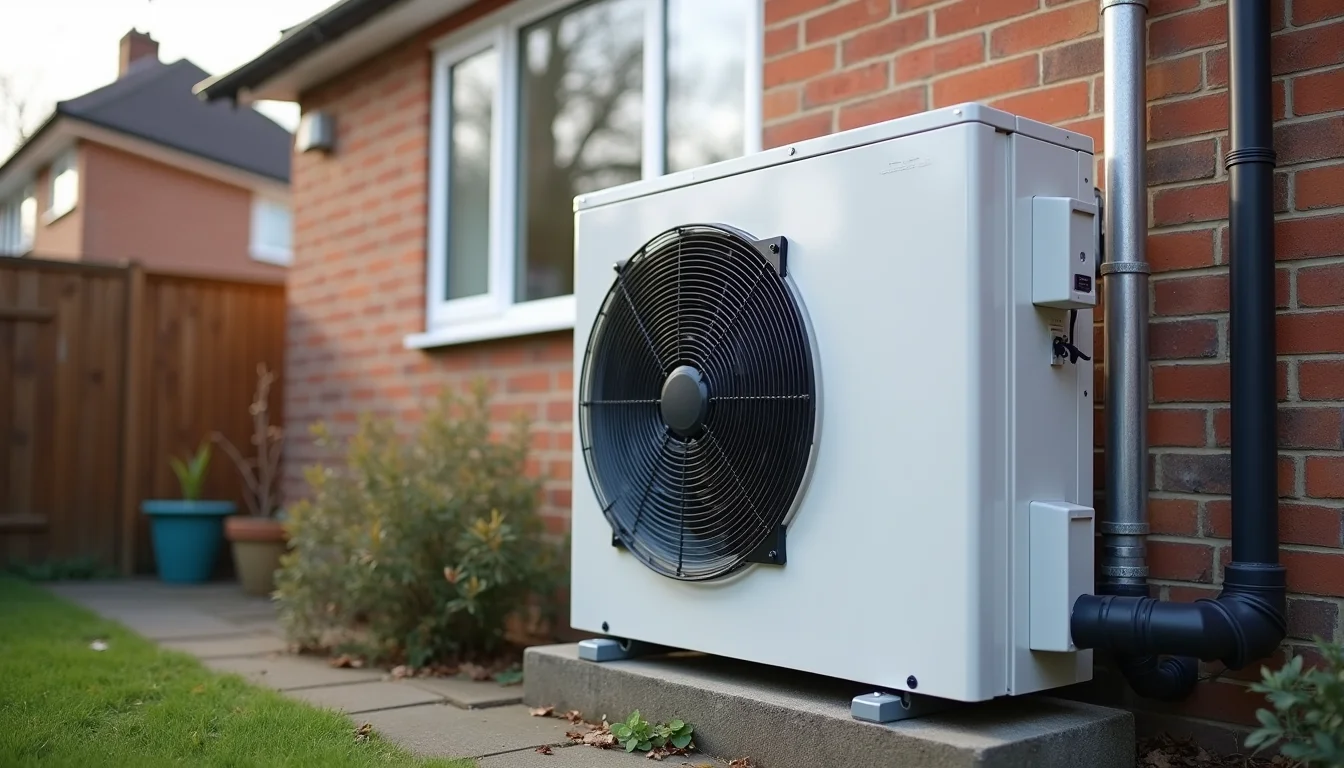
A hybrid heat pump system pairs a small air source heat pump with your existing gas or oil boiler, switching between the two depending on which is cheaper or more efficient at any given moment. It's a sensible option for some homes, but it won't suit everyone, and it currently doesn't qualify for the £7,500 BUS grant. This guide walks you through the real costs, the trade-offs, and how to work out whether hybrid is a smart stepping stone or whether you're better off going full heat pump.
What Exactly Is a Hybrid Heat Pump System?
A hybrid system keeps your existing boiler in place and adds an air source heat pump alongside it. The two work together, controlled by an intelligent manager that decides which heating source to use based on outdoor temperature, electricity and gas prices, and your heating demand.
In milder weather, the heat pump does most of the work. It's at its most efficient when outdoor temperatures are above about 2°C to 5°C, which covers the vast majority of a British winter. On the coldest days, or when you need a burst of hot water quickly, the boiler kicks in to top things up.
Manufacturers like Daikin, Vaillant, and Worcester Bosch all offer hybrid packages. Some are sold as integrated units designed to work together from day one, while others let you retrofit a heat pump to work alongside your current boiler. The retrofit route tends to be cheaper upfront but needs careful configuration by an experienced installer.
Who Actually Benefits from a Hybrid System?
Hybrid systems work best for a particular type of home. If you tick most of these boxes, it's worth a serious look:
- Older, poorly insulated properties where a heat pump alone would struggle to deliver enough heat through existing radiators without expensive upgrades.
- Homes with a boiler that's still got years of life left and you don't want to scrap it prematurely.
- Properties where the upfront cost of a full heat pump installation feels too steep right now, even with the grant.
- Households on mains gas where gas is currently cheaper per kWh than electricity, and you want to hedge your bets.
If you live in a well-insulated home with decent radiators or underfloor heating, a full heat pump will almost certainly make more sense. The hybrid approach is really about managing risk in homes that aren't quite ready for a complete switch.
That said, hybrids aren't a great fit for homes on oil or LPG. If you're burning oil at around 7p to 8p per kWh, a heat pump running at a COP of 3 gives you effective heating at roughly 8p per kWh on electricity at 24.5p per unit. The savings over oil are significant enough that going full heat pump is usually the better financial decision. And you'd qualify for the Boiler Upgrade Scheme grant too.
How Much Does a Hybrid Heat Pump System Cost?
Expect to pay between £5,000 and £10,000 for the heat pump side of a hybrid system, depending on the size of the unit and whether you're buying a matched package or retrofitting. You're keeping your boiler, so you avoid the £2,000 to £4,000 cost of a new one.
A full air source heat pump installation in 2026 typically runs between £10,000 and £16,000 before the grant, according to the Energy Saving Trust. So on the face of it, hybrid looks cheaper.
But there's a catch. With a hybrid, you're still paying gas bills. You'll use less gas than before, typically 30% to 60% less depending on how well the system is set up and your home's insulation. But you're not eliminating them.
Take a three-bedroom 1960s semi in Leeds with solid walls and original radiators. The owners were quoted £14,500 for a full 8.5kW air source heat pump with four upgraded radiators and a new hot water cylinder. After the £7,500 BUS grant, their cost would have been £7,000. A hybrid system from the same installer came in at £7,200, but with no grant available. The annual running costs for the hybrid were estimated at £1,350 (gas plus electricity), compared to £1,100 for the full heat pump. Over 10 years, the full heat pump works out roughly £4,500 cheaper once you factor in the grant and lower running costs.
The numbers don't always stack up that way, but in most cases the grant tips the balance firmly towards going full heat pump.
Can You Get the £7,500 BUS Grant for a Hybrid Heat Pump?
No. As of 2026, the Boiler Upgrade Scheme explicitly excludes hybrid systems. The grant is only available for heat pumps that fully replace your existing fossil fuel heating system. If you keep your gas or oil boiler connected as a backup, you don't qualify.
This is the single biggest factor working against hybrids right now. The £7,500 grant makes a full heat pump installation genuinely affordable for most homeowners. Without it, hybrid systems lose much of their cost advantage.
There's been talk of the government reviewing this position, particularly after Nesta's research showing that hybrids could help decarbonise harder-to-treat homes. But for now, the rules are clear: if you want the grant, you need to decommission your boiler.
If you're on a lower income, you might qualify for help through the Warm Homes: Local Grant, which covers full heat pump installations in eligible households. That scheme also requires a full replacement, not a hybrid.
What About Running Costs — Is Hybrid Actually Cheaper Day to Day?
This depends heavily on your home and the relative price of gas and electricity. In 2026, the Ofgem price cap puts electricity at around 24.5p per kWh and gas at roughly 6.8p per kWh. That means electricity is about 3.6 times more expensive than gas.
A well-performing heat pump achieves a seasonal COP of 3 to 3.5, meaning every 1 kWh of electricity produces 3 to 3.5 kWh of heat. At a COP of 3, your effective cost per kWh of heat from the heat pump is about 8.2p. A gas boiler running at 90% efficiency gives you heat at about 7.6p per kWh.
So in pure running cost terms, gas is still marginally cheaper on the coldest days. The hybrid system exploits this by switching to gas when the heat pump's efficiency drops. On milder days, the heat pump is comfortably cheaper.
The real question is whether that marginal daily saving is enough to offset losing a £7,500 grant. For most homeowners, it isn't. The grant alone would take roughly 15 to 20 years to recoup through running cost savings on a hybrid. And electricity prices are expected to shift in favour of heat pumps as the government rebalances energy levies, something that's been under discussion since 2024.
"Won't My Heat Pump Struggle in a Cold Snap?"
This is the number one concern people have, and it's the main reason hybrids appeal. The worry is that during a proper British cold snap, a heat pump won't keep up.
It's a fair concern, but it's often overstated. Modern air source heat pumps from manufacturers like Mitsubishi, Daikin, and Samsung are rated to operate down to -20°C. The UK very rarely sees sustained temperatures below -5°C. During the Beast from the East in 2018, temperatures in England dropped to around -10°C for a few days, and that was considered extreme.
A properly sized heat pump with correctly calculated radiators or underfloor heating will keep your home at 21°C even when it's -3°C outside. The key word there is "properly sized." If an installer has done a thorough heat loss calculation and specified the right equipment, the system should cope perfectly well. Our guide on what size heat pump you need covers this in detail.
Where heat pumps genuinely struggle is in homes with very high heat loss, like a Victorian terrace with no cavity wall insulation and single-glazed windows. In those properties, a hybrid might make sense as an interim measure while you improve the fabric of the building.
But if your home has double glazing, some loft insulation, and reasonable draught-proofing, a full heat pump should handle everything the British weather throws at it. Have a look at our guide on whether heat pumps work in old houses if your property is pre-1930.
Hybrid or Full Heat Pump — How Do You Decide?
Here's a straightforward way to think about it. Ask yourself these questions:
- Is my boiler less than 5 years old? If yes, hybrid might make sense to avoid wasting a relatively new appliance.
- Does my home have poor insulation that I can't realistically improve? If you're in a listed building with solid walls and no scope for internal or external insulation, hybrid could be a practical compromise.
- Can I afford the upfront cost of a full heat pump after the grant? If you can get a full system installed for £7,000 to £9,000 after the BUS grant, that's often comparable to or cheaper than hybrid.
- Am I planning to sell in the next few years? A full heat pump adds more to your EPC rating and property value than a hybrid.
For the majority of UK homes with mains gas, decent insulation, and access to the £7,500 BUS grant, going full heat pump is the stronger long-term decision. The grant essentially closes the cost gap, and you remove your gas dependency entirely.
Hybrid is a reasonable choice if your home genuinely isn't ready for a full switch and you want to start reducing your carbon footprint now while you plan improvements. Just go in with your eyes open about the grant situation and the ongoing gas costs.
Frequently Asked Questions
Is a hybrid heat pump system worth it in the UK?
For most homes that qualify for the £7,500 BUS grant, a full heat pump works out cheaper over 10 years than a hybrid. Hybrid systems make sense in older, poorly insulated homes where a heat pump alone can't meet the full heating load. If your boiler is relatively new and your home needs significant insulation work, hybrid can be a practical interim step.
Can you get a government grant for a hybrid heat pump?
No. The Boiler Upgrade Scheme in 2026 only funds heat pumps that fully replace your fossil fuel boiler. If you keep your boiler connected as part of a hybrid setup, you're not eligible for the £7,500 grant. Other schemes like the Warm Homes: Local Grant also require a full replacement.
How much does a hybrid heat pump cost to install UK?
A hybrid heat pump system typically costs between £5,000 and £10,000 to install on top of your existing boiler. This is less than a full heat pump installation, which runs £10,000 to £16,000 before the grant. But remember, the BUS grant doesn't apply to hybrids, so the real out-of-pocket difference is often small.
Do hybrid heat pumps work with existing radiators?
Yes. One of the advantages of a hybrid is that your boiler can handle peak demand, so you're less likely to need radiator upgrades. With a full heat pump, you may need to upsize a few radiators to work efficiently at lower flow temperatures. A hybrid sidesteps this by using the boiler for the heaviest loads.
What is the downside of a hybrid heat pump?
The main downside is that you're still burning gas, so your carbon savings are limited and you remain exposed to gas price rises. You also miss out on the £7,500 BUS grant. And you're maintaining two systems instead of one, which means two sets of potential servicing costs and two points of failure over time.
If you're weighing up your options, a good first step is to get quotes from MCS certified installers who can advise on both hybrid and full heat pump setups for your specific property. Find trusted heat pump installers near you and get the conversation started.
Ready to talk to an installer?
Compare the listed firms, then check current MCS status, service coverage and any grant registration directly. Contact routes are shown when a firm has published one.
Related guides
- Can I Get a Heat Pump in a Flat or Apartment?
Yes, you can get a heat pump in a flat. Find out which systems work, how to get freeholder consent, and whether you qualify for the £7,500 BUS grant as a leaseholder.
- What EPC Rating Do You Need for a Heat Pump?
Find out the EPC rating you need for a heat pump and the £7,500 BUS grant in 2026. Learn what each band means and how to improve your rating before installing.
- Do Heat Pumps Work With Underfloor Heating? A How-To Guide
Heat pumps and underfloor heating are the perfect match. Learn about flow temperatures, retrofit options, zoning, costs, and how the £7,500 BUS grant helps.