
Do Heat Pumps Work in Old Houses? The Complete Guide
Can you install a heat pump in a pre-1930s house? Yes. This guide covers solid walls, listed buildings, insulation fixes and real costs for older UK homes.

Written by Heat Pump Buddy
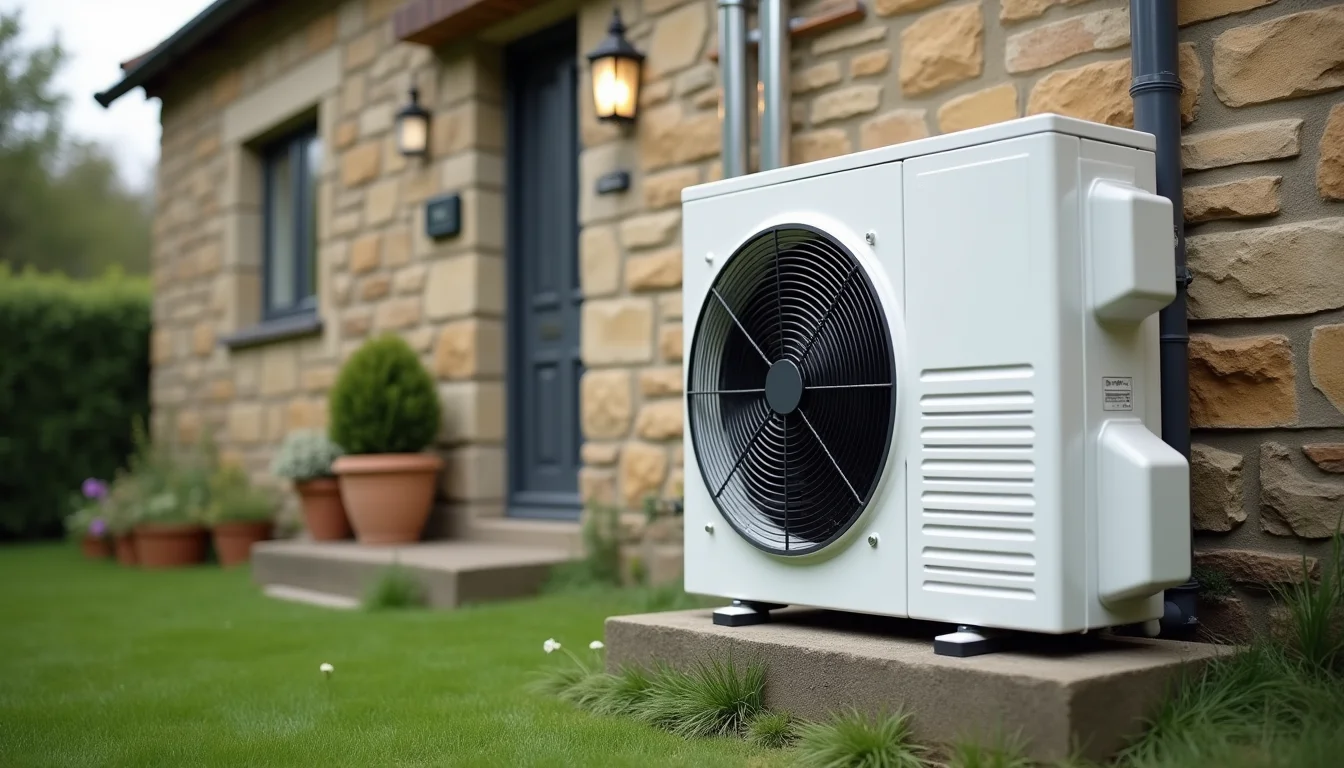
Yes, heat pumps absolutely work in old houses. They need more careful planning than in a modern build, and you'll almost certainly need to improve insulation first, but thousands of pre-1930s UK homes are already running on heat pumps in 2026. The key is getting the right survey, the right installer, and tackling heat loss before you commit to a system.
Why Old Houses Are Different for Heat Pumps
Heat pumps work best when a house doesn't leak heat like a sieve. That's the core challenge with older properties. A modern cavity-wall home built after the 1930s can usually be insulated cheaply by filling the cavity, but a solid-walled Georgian, Victorian, or Edwardian house doesn't have that option.
Older homes tend to have higher heat loss through walls, floors, and single-glazed windows. According to the Energy Saving Trust, an uninsulated solid-walled home can lose up to 45% of its heat through the walls alone. That's a massive number, and it directly affects the size and running cost of any heat pump you install.
But "more challenging" doesn't mean "impossible." It means you need a proper plan.
What Are the Main Challenges in Pre-1930s Properties?
Older UK homes throw up a specific set of problems that newer builds simply don't have. Here are the ones that matter most.
Solid walls. Most homes built before the 1920s have solid brick or stone walls with no cavity. You can insulate them internally or externally, but both options cost more than cavity wall insulation and each comes with trade-offs. External wall insulation (EWI) changes the look of the building, which may not be acceptable on a period property. Internal wall insulation (IWI) reduces room sizes slightly and can cause moisture issues if done badly.
Single glazing. Many older homes still have original single-glazed windows, especially in conservation areas where replacements need approval. Single glazing loses roughly twice as much heat as double glazing.
Draughty floors. Suspended timber floors, common in Victorian and Edwardian homes, let cold air rise from the void beneath. Insulating between the joists can cut floor heat loss by around 70%.
Small or awkward radiators. Period homes often have undersized radiators tucked into alcoves. Heat pumps run at lower flow temperatures than gas boilers (typically 35-45°C vs 60-75°C), so you'll likely need to upgrade some or all radiators to larger ones or add underfloor heating where practical.
Limited outdoor space. Terraced houses and townhouses may have tiny rear yards or shared access, making air source heat pump placement tricky. Our guide on installing a heat pump in a small garden or tight space covers this in detail.
How to Make an Older Home Heat Pump Ready
You don't have to turn your period home into an airtight box. But you do need to reduce heat loss enough that a reasonably sized heat pump can keep up on the coldest days. Here's a practical order of priority.
1. Get a proper heat loss survey. This isn't a quick EPC assessment. A good installer or energy assessor will calculate room-by-room heat loss, accounting for wall type, window area, ceiling height, and ventilation. This tells you exactly what size heat pump you need and where insulation will make the biggest difference. Our guide on what a heat pump survey involves explains what to expect.
2. Insulate the loft. If your loft has less than 270mm of insulation, top it up. This is cheap (often under £500 for a standard house) and makes a big difference.
3. Address the walls. For solid walls, internal insulation using breathable materials like wood fibre board is often the best fit for older homes. It allows moisture to move through the wall rather than trapping it. Budget roughly £5,000 to £14,000 depending on house size.
4. Tackle draughts and floors. Draught-proofing windows, doors, and floorboards is one of the cheapest improvements you can make. Insulating a suspended timber floor from below typically costs £1,000 to £2,500.
5. Upgrade radiators. You may not need to replace every radiator. A good installer will calculate which rooms need larger ones and which existing radiators already have enough output at lower flow temperatures. Some homeowners add underfloor heating to ground-floor extensions or kitchens and keep radiators upstairs.
You don't have to do all of this at once. Some people spread the work over a year or two, tackling insulation first and installing the heat pump once the house is ready.
What About Listed Buildings and Conservation Areas?
This is the question that stops many owners of older homes in their tracks. And the answer is more encouraging than you might think.
Since 2023, permitted development rights in England have covered air source heat pumps, meaning most homeowners don't need planning permission. But listed buildings are different. If your home is Grade I or Grade II listed, you'll need listed building consent before installing a heat pump or carrying out external insulation. The same applies to some buildings in conservation areas if the work affects the property's external appearance.
Historic England has published guidance supporting the principle of heat pumps in heritage buildings, provided the installation is sensitively designed. In practice, this often means placing the outdoor unit in a rear garden or courtyard rather than on a front elevation, using acoustic enclosures where needed, and choosing internal rather than external wall insulation.
Your local conservation officer is your first port of call. They can tell you what's likely to be approved before you spend money on a full design. Many listed building owners have successfully installed heat pumps by working with both their installer and the planning team from the start.
Ground source heat pumps are sometimes a better fit for listed properties because all the equipment sits underground or indoors, with no visible outdoor unit. The trade-off is higher upfront cost, and you'll need enough garden space for boreholes or trenches. Our comparison of air source vs ground source heat pumps can help you weigh up the options.
Claiming the £7,500 BUS Grant on an Older Property
The Boiler Upgrade Scheme offers £7,500 towards the cost of an air source heat pump, or £7,500 for a ground source heat pump, in England and Wales. From April 2026, homes replacing oil or LPG boilers can receive up to £9,000. The grant is deducted from your installer's quote, so you never have to find the full amount yourself.
Older homes qualify for the BUS grant just the same as newer ones. The property needs to have an existing heating system (gas, oil, LPG, electric, etc.) and the installation must be carried out by an MCS certified installer. As of April 2026, an EPC is no longer required to apply, which removes a barrier that previously caused delays for some older properties. You can check the latest eligibility rules on gov.uk.
If you're on a lower income, the Warm Homes: Local Grant may cover a larger share of the cost, including insulation work. It's worth checking all available grants before you commit.
"Won't It Cost a Fortune to Run in a Draughty Old House?"
This is the single biggest worry homeowners raise, and it's a fair one. Running costs depend almost entirely on how much heat the house loses, which is why insulation matters so much.
A well-insulated older home with a properly sized heat pump will have running costs similar to a modern build. A poorly insulated one will not. It really is that straightforward.
Let's put some numbers on it. Take a three-bedroom 1920s semi-detached in West Yorkshire with solid 9-inch brick walls. Before insulation, the heat loss calculation comes in at around 12kW. After fitting internal wall insulation, loft top-up, and floor insulation, that drops to roughly 7.5kW. A 7.5-8kW air source heat pump with a seasonal COP of 3.2 would use about 5,600 kWh of electricity per year. At the current electricity rate of around 24.5p/kWh (Ofgem price cap, Q3 2026), that's roughly £1,370 a year in heating and hot water costs.
The full installation cost, including a new hot water cylinder, upgraded radiators in three rooms, and pipework modifications, came to £14,800. With the £7,500 BUS grant, the homeowner paid £7,300 out of pocket. The insulation work was a separate cost of around £6,500, but it would have been worth doing regardless of the heating system.
Compare that to the old gas boiler running cost of roughly £1,100 a year on gas. Yes, the heat pump costs a bit more to run right now, though the gap is narrowing as electricity prices shift. But the home is noticeably warmer and more comfortable, and it's no longer burning fossil fuels. If you're interested in reducing running costs further, pairing with solar panels or switching to a heat pump electricity tariff can make a real difference.
Choosing the Right Installer for an Older Home
Not every heat pump installer has experience with pre-1930s properties. The design challenges are different, and the heat loss calculations need to account for wall types and building fabric that don't appear in standard new-build assessments.
When getting quotes, ask the installer directly: how many older or solid-walled homes have you fitted heat pumps in? Do they understand moisture management in older walls? Will they work with your conservation officer if needed?
Get at least three quotes. Our guide on how to compare heat pump quotes walks you through what to check. And make sure every installer you consider is MCS certified, as that's a requirement for the BUS grant and a basic mark of competence. You can search the MCS installer database to verify.
Frequently Asked Questions
Can you put a heat pump in a house with solid walls?
Yes. Solid-walled homes can run heat pumps, but you'll almost certainly need to add insulation first to bring heat loss down to a manageable level. Internal wall insulation using breathable materials is the most common approach for older properties.
Do heat pumps work in Victorian houses?
They do. Victorian houses present specific challenges like high ceilings, solid walls, and single glazing, but all of these can be addressed with targeted insulation and properly sized radiators. Thousands of Victorian homes across the UK are already heated by heat pumps. Our guide on heat pumps for Victorian terraces covers this in more detail.
Do you need planning permission for a heat pump on a listed building?
You'll need listed building consent, which is separate from standard planning permission. Contact your local conservation officer early in the process. Many listed building owners have successfully installed heat pumps by working closely with the planning team on placement and design.
How much does it cost to install a heat pump in an old house?
Typical all-in costs for an air source heat pump in an older home range from £12,000 to £18,000 before the grant, depending on the size of system, number of radiator upgrades, and pipework complexity. The £7,500 BUS grant brings this down to roughly £4,500 to £10,500 out of pocket. Insulation work is an additional cost.
Is my old house too draughty for a heat pump?
No house is too draughty for a heat pump in theory, but a very draughty house will be expensive to heat with any system. The practical answer is to improve insulation and draught-proofing first, then install the heat pump. This approach gives you the best comfort and the lowest running costs.
If you own an older home and you're ready to explore your options, find MCS certified heat pump installers near you and get quotes from specialists who understand period properties. The right installer will tell you honestly what preparation your home needs and help you claim the full grant you're entitled to.
Ready to talk to an installer?
Every firm in the directory is MCS-certified, with reviews and grant registration shown on its listing.
Related guides
- Air Source vs Ground Source Heat Pump: How to Choose the Right System for Your Home
Air source or ground source heat pump? This practical guide helps UK homeowners choose the right system based on budget, garden size, and BUS grant eligibility.
- How to Install a Heat Pump in a Small Garden or Tight Space
Think your garden's too small for a heat pump? Think again. Here's how UK homeowners are fitting heat pumps into the tightest spaces and still claiming £7,500.
- How to Power a Heat Pump With Solar Panels: A Practical Guide for UK Homeowners
Want to run your heat pump on solar panels? This practical guide covers how much solar you need, battery storage, real savings, and how to cut running costs.