
Budget 2026: Warm Homes Plan Cut by £1 Billion
The 2026 Budget slashes £1 billion from the Warm Homes Plan. Here's what it means for heat pump grants, BUS funding in 2027-28, and why acting now matters.

Written by Heat Pump Buddy
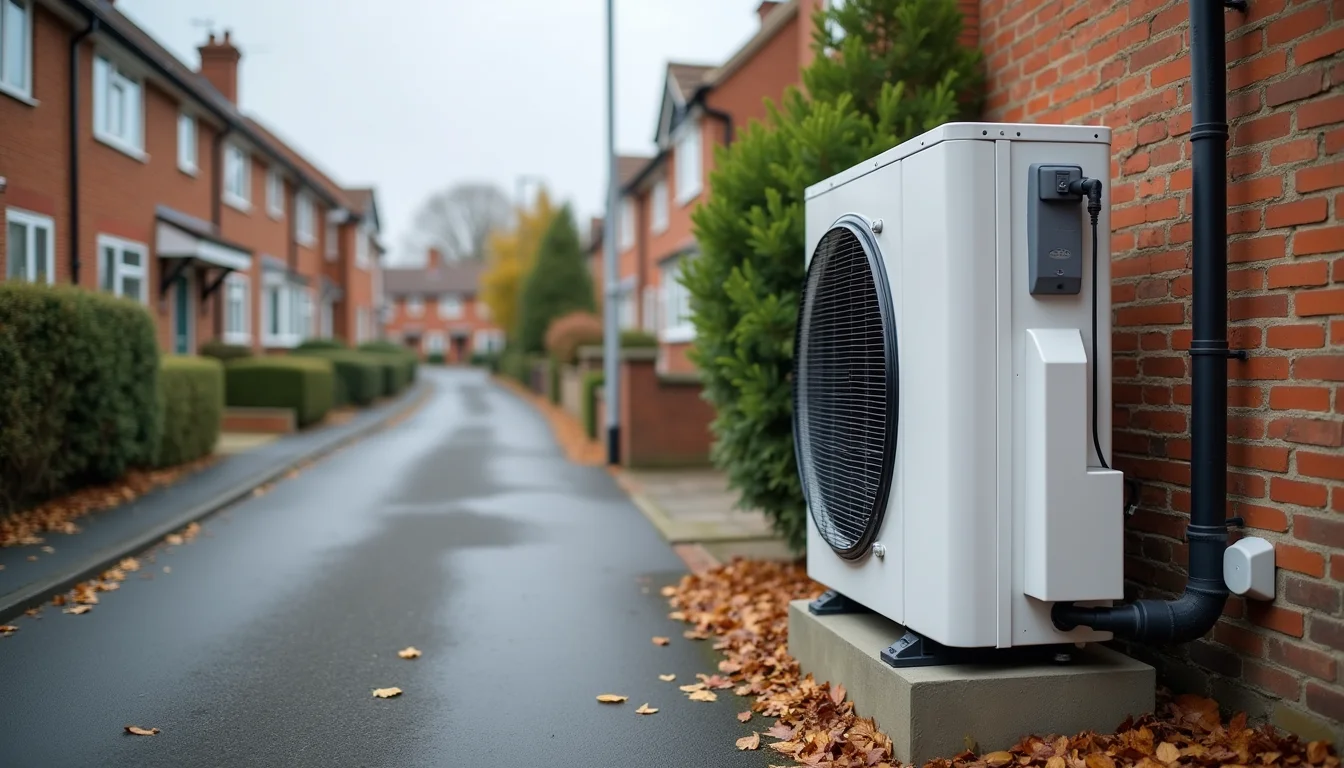
The October 2026 Budget confirmed a £1 billion reduction to the Warm Homes Plan, the government's flagship programme for insulation and low-carbon heating. Funding for the Boiler Upgrade Scheme in 2027-28 looks set to tighten as a result. If you've been thinking about a heat pump, waiting could cost you thousands.
What exactly did the 2026 Budget cut?
The Warm Homes Plan was originally announced with around £6.6 billion in total funding, covering energy efficiency upgrades and heat pump installations across England. In the Autumn Budget, the Chancellor reduced that figure by roughly £1 billion, bringing total planned spending down to approximately £5.6 billion over the programme's lifetime.
Most of this cut falls on future years, particularly 2027-28 and beyond. The government hasn't abolished any existing schemes outright, but it has signalled clearly that the pot of money available for grants is getting smaller.
The Warm Homes Plan was supposed to be the centrepiece of the UK's push to decarbonise home heating. Cutting a sixth of its budget before it's even fully rolled out tells you where heat pumps sit on the Treasury's priority list right now.
How does this affect the Boiler Upgrade Scheme £7,500 grant?
Right now, the Boiler Upgrade Scheme is still running. Homeowners in England and Wales can still claim the full £7,500 towards an air source heat pump or £7,500 towards a ground source heat pump, provided the installation is carried out by an MCS certified installer. That hasn't changed.
But the BUS was already due to run until March 2028, and the budget cut raises a serious question: will the scheme be renewed at the same level, or will it be quietly wound down?
According to gov.uk guidance on the BUS, vouchers are issued on a first-come, first-served basis. When the allocated funding runs out, the scheme closes. With a billion pounds stripped from the wider programme, there's less slack in the system if demand picks up.
The practical takeaway is simple. The £7,500 grant exists today. Whether it exists at the same level in 2028 is genuinely uncertain.
Why did the government cut the Warm Homes Plan?
Defence spending. The Budget redirected significant sums towards military commitments, and the Warm Homes Plan was one of several domestic programmes that took a hit. The government has also been under pressure to reduce borrowing, and capital-intensive green schemes are easier to trim on paper than frontline services.
There's also a political calculation. Heat pump uptake, while growing, hasn't matched the ambitious targets set in previous years. Nesta's electrification tracker shows that around 250,000 heat pumps have been installed in total across the UK, but annual installations still sit well below the 600,000-per-year target the government set for 2028. When a programme isn't hitting its numbers, it becomes an easier target for cuts.
That's a frustrating irony. One reason uptake has been slower than hoped is that homeowners worry grants won't last. And now, grants really are shrinking.
What does £1 billion less actually mean for homeowners?
Let's put it in concrete terms. The £7,500 BUS grant covers roughly 50-60% of a typical air source heat pump installation. Take a three-bedroom semi-detached house in West Yorkshire, for instance. A homeowner gets three quotes for an 8kW air source heat pump and picks a mid-range option at £13,000 fully installed. With the BUS grant applied, they pay £5,500 out of pocket. Spread over 10 years of lower running costs compared to an ageing gas boiler, that investment pays for itself comfortably, as our payback guide explains.
Now imagine the grant drops to £5,000 in a future budget, or disappears entirely. That same homeowner would pay £8,000 or £13,000 instead. The economics still work over the long term, but the upfront barrier gets much harder to clear.
A £1 billion reduction doesn't necessarily mean the BUS grant drops tomorrow. But it does mean fewer homes will be reached by government-funded schemes, and the generous terms available right now won't be around forever.
Should I get a heat pump now or wait?
This is the question we hear most. And the honest answer is: if your home qualifies for the BUS grant and you've been sitting on the fence, the case for acting now is stronger than it was six months ago.
Here's why. The £7,500 grant is confirmed through to March 2028, but the budget reduction means there's no guarantee of what comes after that. Installer availability is another factor. As more homeowners rush to beat potential cuts, waiting times could stretch. The Energy Saving Trust already reports that booking an installation typically takes 6 to 12 weeks from survey to completion, and that window can grow during busy periods.
On the other hand, if your home needs significant insulation work first, or if you're mid-renovation, it might make sense to get those jobs done and then apply for the grant early in 2027. The worst move would be to wait until the final months of the scheme and find that vouchers have run out.
Want to know if your property qualifies? Our BUS eligibility guide covers the requirements in detail.
What about the Warm Homes: Local Grant?
The Warm Homes: Local Grant is a separate strand of funding aimed at lower-income households, delivered through local authorities. This scheme can cover a larger share of costs, and in some cases the full installation, for homeowners on means-tested benefits or with low household incomes.
The Budget cut does affect the overall Warm Homes Plan budget, which includes funding allocated to local authority delivery. But the government has indicated that fuel poverty programmes will be prioritised within the reduced pot. If you're on benefits, it's worth checking whether your local council has an active scheme. Our guide to heat pump grants for people on benefits walks through who qualifies.
The risk here is that councils already face delays in getting these local schemes up and running. Less money in the system means some areas could see their allocations reduced before they've even started spending.
"But what if the grant gets cut and I've already started the process?"
This is the concern that stops a lot of people from committing. It's a fair worry, so let's address it directly.
Once your installer applies for a BUS voucher and it's issued by Ofgem, that money is ring-fenced for your installation. You have three months to complete the work from the date the voucher is issued. Even if the government announced changes to the scheme the day after your voucher was approved, you'd still receive the full £7,500. Ofgem's BUS page confirms this process.
So the risk isn't about losing a voucher mid-installation. The real risk is in delaying until the scheme closes or the annual budget allocation runs dry. The BUS has a fixed annual pot, and once it's gone for that year, no new vouchers are issued until the next financial year.
Getting your survey booked and quotes in hand now means your installer can apply for the voucher as soon as you're ready. That's the bit you can control.
FAQs
Has the heat pump grant been cut in the 2026 Budget?
The £7,500 BUS grant itself hasn't been reduced yet. But the wider Warm Homes Plan lost £1 billion in funding, which affects future grant allocations from 2027-28 onwards. The current grant remains at £7,500 for now.
Is the Boiler Upgrade Scheme still running in 2026?
Yes, the BUS is still open and accepting applications in 2026. Homeowners in England and Wales can claim £7,500 towards an air source or ground source heat pump, provided they use an MCS certified installer.
Will the heat pump grant go down in 2027?
There's no official confirmation that the £7,500 figure will be reduced. But the £1 billion cut to the Warm Homes Plan makes it more likely that future grant levels could be lower, or that fewer vouchers will be available.
How do I apply for the £7,500 heat pump grant before it runs out?
You don't apply directly. Your MCS certified installer applies for the BUS voucher on your behalf through Ofgem. You need to get a survey, receive a quote, and choose your installer first. They handle the paperwork from there.
What happens to my heat pump grant if the scheme closes?
If your BUS voucher has already been issued, the funding is secured for your installation. You have three months from the voucher date to complete the work. Vouchers that haven't been issued before a scheme closure would not be honoured.
If you're weighing up whether to go ahead with a heat pump in 2026, the numbers are on your side right now. The £7,500 grant is live, installers are available, and the cost of waiting is becoming clearer with every budget announcement. Find MCS certified heat pump installers near you and get your quotes lined up before the funding picture changes again.
Ready to talk to an installer?
Compare the listed firms, then check current MCS status, service coverage and any grant registration directly. Contact routes are shown when a firm has published one.
Related guides
- Do I Need Planning Permission for a Heat Pump in the UK? A Complete Guide
Find out exactly when you do and don't need planning permission for a heat pump in the UK, plus the rules for listed buildings and conservation areas.
- Future Homes Standard 2026: What Heat Pumps Becoming Mandatory in New Builds Means for Existing Homeowners
The Future Homes Standard 2026 makes heat pumps mandatory in new builds. Here's why existing homeowners should act now before installer wait times spike.
- Do Heat Pumps Work With Underfloor Heating? A How-To Guide
Heat pumps and underfloor heating are the perfect match. Learn about flow temperatures, retrofit options, zoning, costs, and how the £7,500 BUS grant helps.