
Heat Pump Installers in the South West — Bristol & Plymouth
Find MCS certified heat pump installers across the South West, from Bristol to Plymouth. Local grant info, rural off-grid options, and what coastal homes need to know.

Written by Heat Pump Buddy
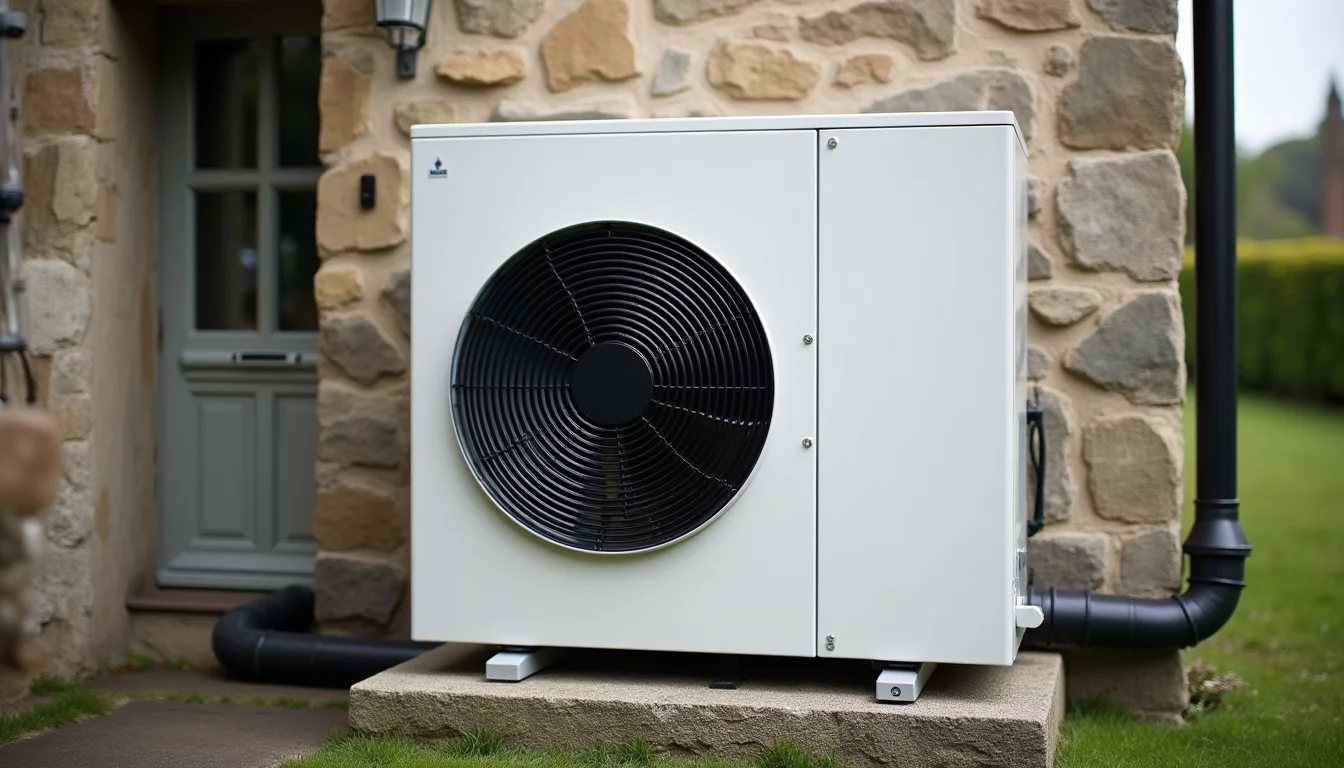
The South West has one of the highest concentrations of MCS certified heat pump installers outside London, with strong clusters around Bristol, Exeter and Plymouth. Whether you're in a Victorian terrace in Clifton, a rural farmhouse on Dartmoor, or a coastal bungalow near Torbay, there are local installers experienced with the specific challenges your property throws up. The £7,500 Boiler Upgrade Scheme grant is available across England, and the South West's large number of off-grid oil-heated homes makes this region particularly well suited to heat pumps.
Why Is the South West a Strong Region for Heat Pump Installation?
The South West has a few things working in its favour. Winters are milder than much of the UK, with average January temperatures around 4-6°C across most of Devon, Somerset and the Bristol area. That means air source heat pumps run at higher efficiencies for longer stretches of the year, keeping your running costs lower than they'd be in, say, the Scottish Highlands.
There's also the off-grid factor. According to Ofgem data, a significant proportion of South West homes still rely on oil or LPG because they're not connected to the gas network. Rural parts of Devon, Cornwall and Somerset have some of the highest rates of oil heating in England. For these households, the switch to a heat pump can save hundreds of pounds a year compared to oil, even before the grant.
And the installer base is genuinely good. The MCS installation database shows strong coverage across the region, with certified companies operating from Bristol down through Exeter and into Plymouth. You won't struggle to get three quotes, which is exactly what you should be aiming for.
What Heat Pump Options Work Best for South West Properties?
This region has an unusual mix of property types, and that matters when choosing a heat pump system.
Urban homes in Bristol and Plymouth are often Victorian or Edwardian terraces with solid walls and smaller gardens. Air source heat pumps are the obvious choice here, and modern units from manufacturers like Vaillant, Daikin and Mitsubishi are quiet enough to sit in a compact side return or rear yard. If space is tight, read our guide on how to install a heat pump in a small garden.
Coastal properties around Torbay, Exmouth, and the North Devon coast need corrosion-resistant units. Salt air will eat through a standard heat pump's condenser coils within a few years. Several manufacturers offer coastal protection kits, and any installer worth their salt (no pun intended) will specify one for properties within a mile or two of the sea. Ask about this during your survey. If an installer doesn't raise it, that's a red flag.
Rural and off-grid homes across Dartmoor, Exmoor and the Somerset Levels often have more land available. Ground source heat pumps become a realistic option if you've got the garden space for a horizontal trench or vertical borehole. They're more expensive upfront but deliver higher efficiencies. For a full comparison, see our air source vs ground source guide.
Older stone-built properties are common across the region, from Bath stone cottages to granite farmhouses. These often have solid walls that can't take cavity insulation, so your installer needs to size the heat pump carefully and may recommend upgrading a few radiators. This is perfectly normal and doesn't mean your home isn't suitable. Our guide on heat pumps in old houses covers this in detail.
Finding MCS Certified Heat Pump Installers Near Bristol, Exeter and Plymouth
The golden rule is simple: only use an MCS certified installer. Without MCS certification, you can't claim the £7,500 BUS grant, and you won't have the consumer protections that come with the scheme.
Bristol has a particularly strong installer market. The city's ambitious climate targets have driven demand, and there are multiple MCS certified companies based in and around the BS postcode area. You can browse heat pump installers in Bristol on our directory.
Exeter sits in the middle of the South West corridor and serves as a base for installers covering much of Devon. If you're in or near the city, check our dedicated Exeter installer guide for local options and advice specific to that area.
For Plymouth and the surrounding areas of South Devon, you'll find installers listed on our Plymouth page. Plymouth installers also tend to cover Tavistock, Ivybridge and towns along the A38 corridor.
Don't just pick the first name you find. Get at least three quotes, check each company's MCS number on the MCS certified database, and ask to see examples of similar installations they've completed. Our guide on questions to ask before hiring an installer will help you sort the good from the mediocre.
How Does the £7,500 BUS Grant Work in the South West?
The Boiler Upgrade Scheme provides a £7,500 grant towards an air source or ground source heat pump for homes in England and Wales. It's available in 2026 and is administered by Ofgem.
Here's what you need to know:
- Your property must have a valid EPC (Energy Performance Certificate). It doesn't need to be a high rating, but you do need one.
- You must be replacing an existing fossil fuel heating system, like a gas or oil boiler. New builds don't qualify.
- The installer applies for the grant on your behalf. You don't deal with Ofgem directly.
- The £7,500 comes off the total installation cost. You pay the difference.
For the South West's many oil-heated rural homes, this grant is particularly attractive. Replacing an ageing oil boiler with an air source heat pump typically costs between £10,000 and £14,000 before the grant. After the £7,500 discount, you're looking at roughly £2,500 to £6,500 out of pocket.
Take a three-bedroom detached house near Barnstaple, currently heated by oil. A typical quote for a 9kW air source heat pump (Vaillant Arotherm plus, say), including a new hot water cylinder, basic radiator upgrades in two rooms, and all electrical work, might come in around £12,500. Subtract the £7,500 BUS grant, and the homeowner pays £5,000. Their annual heating bill drops from around £1,800 on oil to roughly £1,100 on the heat pump, saving about £700 a year. The system pays for itself within about seven years, and that's before factoring in rising oil prices.
If your household income qualifies, you might also be eligible for the Warm Homes: Local Grant, which can cover even more of the cost. Check the full details on our grants page.
For the latest eligibility rules, see the government's BUS guidance on gov.uk.
Will a Heat Pump Actually Work With My South West Home?
This is the concern that stops most people, and it's worth tackling head on.
The worry usually boils down to three things: "My house is old and draughty," "My radiators are too small," and "It won't keep me warm in winter." Let's deal with each.
Old and draughty houses. The South West is full of them. Stone cottages, cob-walled farmhouses, period townhouses in Bath and Bristol. A heat pump can work in these homes, but the installer needs to do a proper heat loss calculation. Some homes will benefit from loft insulation or draught-proofing first, but you don't need to wrap your house in external wall insulation before a heat pump makes sense. A good installer will tell you exactly what's needed and what's optional.
Existing radiators. Heat pumps run at lower flow temperatures than gas boilers, typically 40-45°C rather than 60-70°C. That means your radiators need to be large enough to deliver the same warmth at a lower temperature. In practice, most homes only need one or two radiators upgraded. It's rarely a full re-rad. Read more in our guide on whether heat pumps work with existing radiators.
Winter performance. South West winters are mild by UK standards. Air source heat pumps work perfectly well down to -15°C or lower, and most South West locations barely dip below freezing. You'll get better seasonal efficiency here than almost anywhere else in Britain. If you're still worried, have a look at our guide on how heat pumps work in winter.
The honest answer? If your installer does a proper survey and sizes the system correctly, a heat pump will keep your home just as warm as your current boiler. The South West's climate actually gives you an advantage.
Off-Grid Homes in Devon, Somerset and Cornwall — Why Heat Pumps Make Extra Sense
Are you one of the estimated 300,000+ South West households not connected to the gas grid? If so, you're probably heating with oil, LPG, or even electric storage heaters. All three are expensive, and oil and LPG prices have been volatile since 2022.
A heat pump is one of the few alternatives that genuinely reduces running costs for off-grid homes. According to the Energy Saving Trust, switching from oil to an air source heat pump in a typical detached home can save £500 to £1,100 a year, depending on the property and how well insulated it is.
Rural homes in places like Tavistock, Barnstaple, and across Cornwall often have larger gardens, which opens the door to ground source heat pumps. If you've got enough land for a 100m trench, a ground source system will deliver a seasonal COP of 4.0 or higher, meaning you get four units of heat for every one unit of electricity.
Pairing a heat pump with solar panels is another option that works well in the South West, which gets more annual sunshine hours than most of England. Our guide on powering a heat pump with solar explains how to make this work in practice.
Frequently Asked Questions
How much does a heat pump cost to install in Bristol?
A typical air source heat pump installation in Bristol costs between £10,000 and £14,000 before the BUS grant. After the £7,500 grant, most homeowners pay between £2,500 and £6,500. Ground source systems cost more, usually £15,000 to £25,000 before the grant. Exact prices depend on your property size, existing heating system, and whether any radiators need upgrading.
Can I get a heat pump grant if I have oil heating in Devon?
Yes. The £7,500 Boiler Upgrade Scheme grant is specifically designed for replacing fossil fuel heating, and oil boilers absolutely count. Off-grid oil-heated homes in Devon are among the best candidates for the scheme because the running cost savings are often greater than for gas-heated homes.
Do I need planning permission for a heat pump in the South West?
Most air source heat pump installations fall under permitted development rights and don't need planning permission. There are rules about noise and placement, and if you live in a conservation area, a national park (Dartmoor or Exmoor), or an Area of Outstanding Natural Beauty, you may need to apply. Your MCS installer should advise you on this during the survey.
Are there heat pump installers near Plymouth and Tavistock?
Yes. There are several MCS certified heat pump installers based in and around Plymouth who also cover Tavistock, Ivybridge, and the wider South Devon area. You can find local companies on our Plymouth installer page and Tavistock page.
How long does heat pump installation take in a typical South West home?
Most air source heat pump installations take two to three days for a straightforward swap from a gas or oil boiler. If the job involves new pipework, radiator upgrades, or fitting a new hot water cylinder, it might stretch to four or five days. Ground source systems with trenching usually take a week or more.
If you're in the South West and ready to get quotes from MCS certified installers, start by browsing our Devon installer directory or find installers in Bristol, Somerset, or Cornwall. Get three quotes, compare them carefully, and make sure every installer you speak to is MCS certified and experienced with your type of property.
Ready to talk to an installer in Bristol?
Compare the listed firms, then check current MCS status, service coverage and any grant registration directly. Contact routes are shown when a firm has published one.
Related guides
- Heat Pump Installers in Exeter — Local Companies & Grants
Find MCS certified heat pump installers in Exeter. Learn about the £7,500 BUS grant, ECO4 funding, and what Exeter's mix of Georgian, Victorian and modern homes means for your install.
- Heat Pump Installers in York — Heritage Property Experts
York's conservation areas and listed buildings make heat pump installation tricky. Find MCS certified installers who know York's planning rules and heritage restrictions.
- Heat Pump Installers in Brighton — Eco-Friendly Heating
Find MCS certified heat pump installers in Brighton. Learn how the £7,500 BUS grant works, what Brighton's housing stock means for your install, and get real costs.