
Heat Pump Installers in York — Heritage Property Experts
York's conservation areas and listed buildings make heat pump installation tricky. Find MCS certified installers who know York's planning rules and heritage restrictions.

Written by Heat Pump Buddy
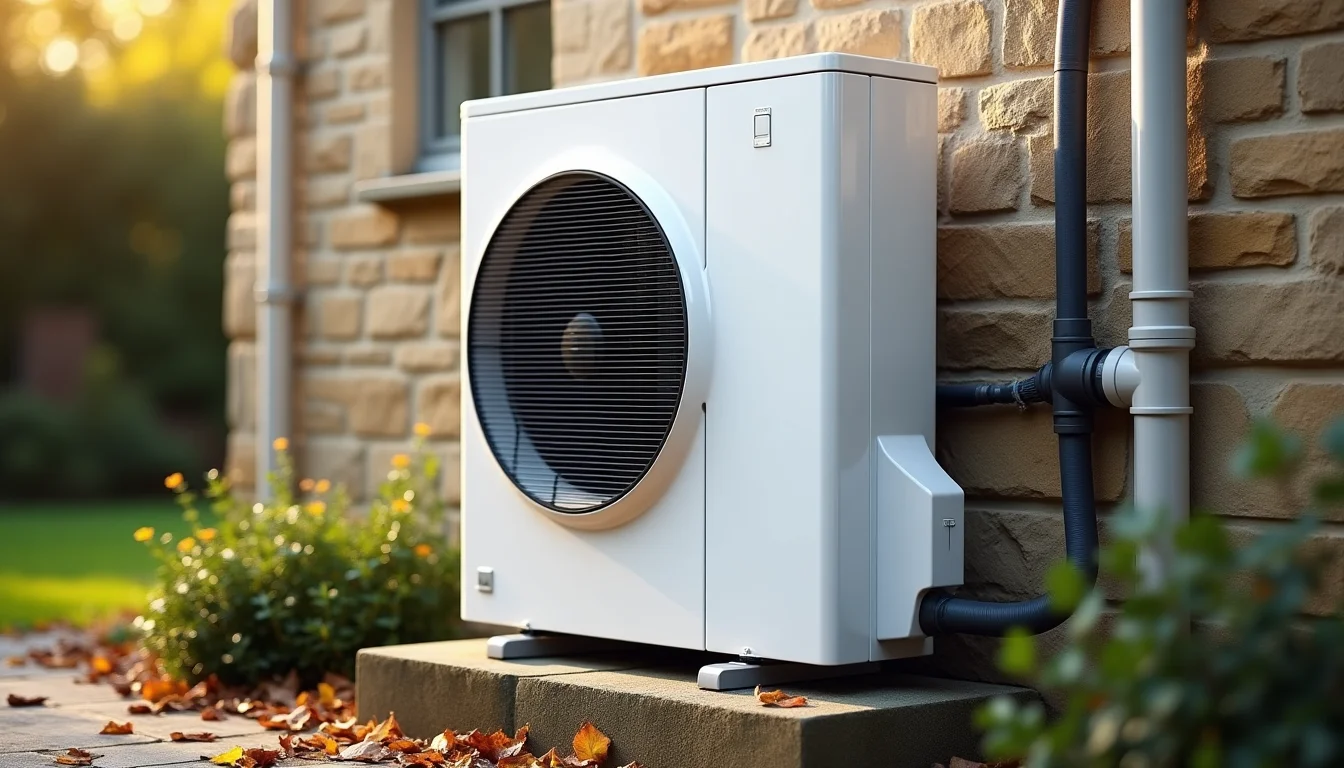
York has over 2,000 listed buildings and 34 conservation areas, which makes installing a heat pump here more complicated than in most English cities. You'll need an MCS certified installer who understands City of York Council's planning requirements and knows which heat pump types work with solid-walled period properties. The right installer will handle the planning side for you, secure your £7,500 Boiler Upgrade Scheme grant, and design a system that actually keeps a draughty Victorian terrace warm.
Why Is York Different for Heat Pump Installation?
York isn't like a new-build estate on the edge of Harrogate. Huge parts of the city centre and surrounding villages sit within conservation areas, and the council takes the visual character of these areas seriously. That means you can't just bolt an air source heat pump to the front of your Georgian townhouse and hope nobody notices.
The city's housing stock is also older than the national average. Many homes have solid walls (stone or brick with no cavity), single-glazed sash windows, and limited garden space. All of these affect heat pump sizing, placement, and running costs.
An installer who mostly works on modern detached houses in rural North Yorkshire won't necessarily have the experience you need for a Grade II listed cottage in Bishopthorpe or a Victorian terrace in The Groves. You want someone who's done this before, in York specifically, and can show you the results.
Do You Need Planning Permission for a Heat Pump in York?
For most homes in England, air source heat pumps fall under permitted development rights, meaning you don't need planning permission. But there are important exceptions that affect a lot of York properties.
Listed buildings always need listed building consent before any heat pump is installed. This applies whether the unit is inside, outside, or underground. You can't rely on permitted development rights at all.
Conservation areas have extra restrictions. Permitted development allows air source heat pumps on conservation area properties, but only if the unit isn't installed on a wall or roof that fronts a highway. In practice, many York terraces only have a front elevation facing the street and a tiny rear yard, so placement gets tight.
The permitted development conditions also require that:
- The unit is at least one metre from the property boundary
- It complies with MCS planning standards (MCS 020)
- Only one air source heat pump is installed
- It's removed when no longer needed
Ground source heat pumps are generally easier from a planning perspective because there's nothing visible above ground. But you need enough garden or land for the ground loop, which rules out a lot of York's terraced streets.
An experienced local installer will know whether your property needs a full planning application or can proceed under permitted development. Some will handle the application on your behalf, which saves you weeks of back and forth with the council.
Which Heat Pump Types Work Best for Period Properties in York?
This is where it gets interesting. York's period homes tend to have thick stone or brick walls, high ceilings, and original features that owners don't want to rip out. The heating system needs to work with the building, not against it.
Air source heat pumps are the most common choice. A modern monobloc unit sits outside on a plinth and connects to your wet central heating system via two pipes through the wall. For listed buildings, the key challenge is where to put it. A good installer will find a location that's hidden from public view, perhaps in a rear courtyard, behind a garden wall, or screened by planting. Some conservation officers are more flexible than you'd expect, as long as the visual impact is minimal.
Ground source heat pumps are ideal if you have the land. A property with a decent garden in Fulford, Heworth, or Dringhouses could use horizontal ground loops. Vertical boreholes work on smaller plots but cost more. The big advantage for heritage properties is that there's nothing visible once the installation is finished.
High-temperature heat pumps deserve a mention here. Older homes with original cast iron radiators often need higher flow temperatures than a standard heat pump provides. Models from manufacturers like Vaillant and Daikin can now deliver flow temperatures of 65-75°C, which means you might not need to replace every radiator. That said, it's worth reading our guide on whether heat pumps work with existing radiators before your survey.
For a deeper look at the challenges of fitting heat pumps into older buildings, our guide on heat pumps in old houses covers the main issues.
How Much Does a Heat Pump Cost in a York Heritage Property?
Costs in York tend to run slightly higher than the national average for two reasons: heritage properties often need more design work, and installation in conservation areas can involve extra steps like planning applications or acoustic screening.
A typical air source heat pump installation for a three-bedroom Victorian terrace in York might look like this. The property has solid brick walls, some loft insulation, and existing radiators that are mostly oversized (common in older homes). The installer quotes £14,500 for a Vaillant Arotherm Plus 7kW unit, including a hot water cylinder, controls, pipework modifications, and two new radiators in the smallest rooms. After the £7,500 BUS grant is applied, the homeowner pays £7,000. The installer also handles the planning notification to City of York Council because the property sits in The Groves conservation area, at no extra charge.
Ground source installations typically cost more, ranging from £18,000 to £28,000 before the grant, depending on whether you need boreholes or can use horizontal trenches.
For a full breakdown of what affects pricing, have a look at our air source heat pump cost guide for 2026.
The £7,500 BUS Grant: How York Homeowners Can Claim It
The Boiler Upgrade Scheme provides a £7,500 grant towards air source or ground source heat pump installation in England and Wales. It's available in 2026 and is due to run until 2028, though the government has been making changes to the scheme. In April 2026, the rules were updated to remove the EPC requirement, which is good news for older York homes that might have struggled to get a recent certificate.
To qualify, your property must:
- Have a valid Energy Performance Certificate (this requirement was removed in April 2026 for the BUS grant, per government announcements)
- Be replacing an existing fossil fuel heating system (gas, oil, LPG, or electric)
- Use an MCS certified installer
- Not be a new build
The installer applies for the grant on your behalf through Ofgem. You don't pay the £7,500 upfront and then claim it back. Instead, it's deducted from your quote. Most MCS certified installers in York are familiar with the process and will confirm your eligibility at the survey stage.
One thing to watch: if your property is off the gas grid and currently uses oil, you're still eligible. Quite a few homes in the villages around York, places like Skelton, Haxby, and Strensall, are on oil and stand to save the most by switching.
For details on whether you can stack the BUS grant with other support, read our guide on combining the BUS grant with other schemes.
"Will a Heat Pump Actually Keep My Old York House Warm?"
This is the concern we hear most often from owners of period properties. And it's a fair question. A stone-walled cottage with single glazing loses heat far faster than a modern insulated home.
The honest answer is: yes, but only if the system is designed properly.
A good installer will carry out detailed heat loss calculations for every room, accounting for wall type, window area, ceiling height, and ventilation. In a draughty older home, the heat demand per square metre can be two or three times higher than in a new build. That means you may need a larger heat pump, bigger radiators in some rooms, or both.
Some period property owners worry about running costs too. According to the Energy Saving Trust, a well-installed air source heat pump in a typical older home replacing an oil boiler can save around £300 to £600 per year on fuel bills. Replacing a gas boiler saves less, perhaps £50 to £200, depending on insulation levels and electricity tariff. Switching to a heat pump-specific tariff like Octopus Cosy can close that gap further.
The key is not skipping the insulation conversation. You don't need to wrap your listed building in external cladding. But adding loft insulation, draught-proofing sash windows, and insulating accessible floors can cut your heat demand by 20-30%, making the heat pump smaller, cheaper to install, and cheaper to run.
How to Find the Right MCS Certified Installer in York
Not every heat pump installer has experience with heritage properties. Here's what to look for:
Ask about conservation area experience. Have they installed heat pumps in York's conservation areas before? Can they show you photos or case studies? If they hesitate, move on.
Check MCS certification. This is non-negotiable if you want the BUS grant. You can verify any installer on the MCS certified database.
Get three quotes. Prices vary significantly, and so does the quality of the system design. Our guide on why heat pump quotes vary explains what to compare.
Ask who handles planning. A good York installer will manage the listed building consent or conservation area notification process. If they expect you to sort it out yourself, that's a warning sign.
Check they do a proper survey. A quick visit and a quote by email isn't enough for a period property. You should expect a full room-by-room heat loss survey. Our guide on what a heat pump survey involves explains what to expect.
Frequently Asked Questions
Can you put a heat pump on a listed building in York?
Yes, but you'll need listed building consent from City of York Council before any work starts. The unit usually needs to be hidden from public view. An experienced installer will handle the consent application and suggest placement options that conservation officers are likely to approve.
Do you need planning permission for an air source heat pump in a conservation area in York?
In most cases, air source heat pumps in conservation areas fall under permitted development, as long as the unit isn't on a wall or roof facing a highway. If your property is also listed, you'll need listed building consent regardless. Your installer should confirm which rules apply during the initial survey.
How much does a heat pump cost for an old house in York?
A typical air source heat pump installation in a three-bedroom period property in York costs between £12,000 and £16,000 before the BUS grant. After the £7,500 grant, most homeowners pay between £4,500 and £8,500. Ground source systems cost more, typically £18,000 to £28,000 before the grant.
What is the best type of heat pump for a Victorian terrace in York?
An air source heat pump is usually the best option because most York terraces don't have enough garden space for ground loops. Look for a high-temperature model (65°C+ flow temperature) if you want to keep your existing radiators. Monobloc units are popular because they need just two pipes through the wall.
Can I get the £7,500 grant for a heat pump in York in 2026?
Yes. The Boiler Upgrade Scheme is running in 2026 and provides £7,500 towards air source or ground source heat pumps in England. Your installer must be MCS certified and will apply for the grant through Ofgem on your behalf. The grant is deducted from your invoice, so you don't pay it upfront.
If you're ready to find an installer who knows York's heritage properties inside out, browse MCS certified heat pump installers in York to get quotes from local specialists who deal with conservation areas and listed buildings every week.
Ready to talk to an installer in York?
Compare the listed firms, then check current MCS status, service coverage and any grant registration directly. Contact routes are shown when a firm has published one.
Related guides
- Heat Pump Installers in Brighton — Eco-Friendly Heating
Find MCS certified heat pump installers in Brighton. Learn how the £7,500 BUS grant works, what Brighton's housing stock means for your install, and get real costs.
- Heat Pump Installers in Edinburgh — Grants & Local Experts
Find MCS certified heat pump installers in Edinburgh. Learn about Scottish grants worth up to £7,500, local installation tips and how to compare quotes properly.
- Heat Pump Installation Cost in London 2026 — What to Expect
What does a heat pump really cost in London in 2026? We break down prices by borough, explain the London premium, and show how to claim your £7,500 grant.