
Heat Pump Installers in Brighton — Eco-Friendly Heating
Find MCS certified heat pump installers in Brighton. Learn how the £7,500 BUS grant works, what Brighton's housing stock means for your install, and get real costs.

Written by Heat Pump Buddy
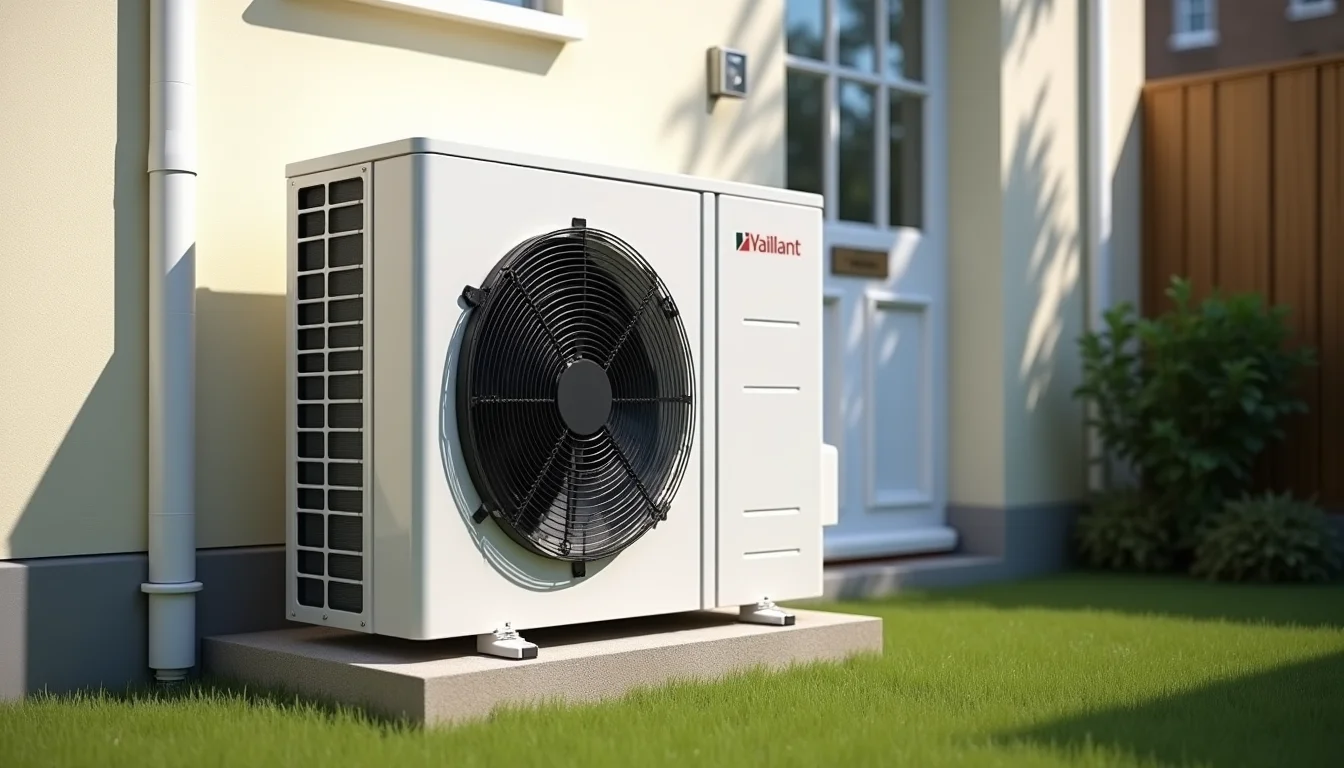
Brighton has more MCS certified heat pump installers per capita than most cities outside London, and the city's strong green credentials mean local demand is growing fast. If you're a homeowner in Brighton or Hove looking to ditch your gas boiler, you can claim the £7,500 Boiler Upgrade Scheme grant and have a qualified local installer fit an air source or ground source heat pump. The tricky bit is matching the right system to Brighton's varied housing stock, from Regency townhouses in Kemp Town to 1930s semis in Patcham.
Why Brighton Is a Natural Fit for Heat Pumps
Brighton & Hove has declared a climate emergency and set a target to be carbon neutral by 2030. The council's Sustainability Action Plan actively encourages residents to move away from gas heating, and the city already has one of the highest rates of solar panel adoption in the South East. Heat pumps are the logical next step.
The mild coastal climate helps too. Brighton's average winter temperature sits around 4 to 6°C, well within the comfort zone for an air source heat pump. Systems like the Vaillant Arotherm or Mitsubishi Ecodan are designed to work efficiently down to minus 20°C, so Brighton's winters barely test them. If you're curious about cold weather performance, there's a useful guide on whether heat pumps work in cold weather.
And there's a practical advantage that often gets overlooked. Brighton sits on chalk, which drains well and makes groundworks for pipework easier than clay-heavy areas further inland.
Finding MCS Certified Heat Pump Installers in Brighton
MCS certification isn't optional if you want the government grant. Your installer must be MCS certified for the specific type of heat pump you're having fitted, whether that's air source or ground source. Without it, Ofgem won't process your BUS grant application.
You can search for certified installers covering the Brighton area on our Brighton installer page or browse all East Sussex heat pump installers. Several companies based in Brighton itself hold MCS accreditation, and others travel from nearby towns like Worthing and Lewes.
When you're comparing quotes, don't just look at the bottom line figure. Ask each installer about their experience with your specific property type, what brand they recommend and why, and whether the quote includes the hot water cylinder and any radiator upgrades. Our guide on questions to ask before hiring a heat pump installer covers the full list.
How Does Brighton's Housing Stock Affect Heat Pump Installation?
This is where Brighton gets interesting. The city has a genuinely unusual mix of property types, and each brings different considerations.
Regency and Georgian townhouses in areas like Kemp Town, Brunswick and the seafront are often listed or in conservation areas. You'll likely need planning permission to install an external air source heat pump unit on the front of the building, and Brighton & Hove Council can be strict about visual impact. The workaround is usually to place the unit in a rear courtyard, basement light well, or side return. Space is tight in many of these properties, so it's worth reading our piece on installing heat pumps in small gardens and tight spaces.
These older homes also tend to have solid walls, which means cavity wall insulation isn't an option. Internal or external wall insulation is the usual fix, and you should seriously consider getting this done before or alongside a heat pump install. A well-insulated Regency house can run perfectly well on a heat pump, but a draughty one will struggle. Our guide on heat pumps in old houses goes into the detail.
Victorian and Edwardian terraces across Hanover, Seven Dials, and Preston Park are more straightforward. Many have rear gardens with enough room for an outdoor unit, and some have loft space or utility areas for the hot water cylinder. Solid walls are still common, but bay-fronted Victorian houses often have surprisingly good thermal mass.
1930s to 1960s semis and detached houses in Patcham, Woodingdean, and Rottingdean are usually the easiest to fit. They tend to have cavity walls (which may already be insulated), larger gardens, and simpler layouts. These properties often suit a standard 8 to 12 kW air source heat pump without major modification.
Modern flats and new builds along the marina and in developments like the i360 quarter are a different proposition. If you own a flat, you'll need freeholder permission to install an outdoor unit, and shared spaces can make this complicated. Some newer builds already have heat pumps fitted from construction.
The £7,500 BUS Grant: How Brighton Homeowners Can Claim It
The Boiler Upgrade Scheme gives you £7,500 off the cost of an air source heat pump, or £7,500 for a ground source system. From April 2026, homes currently on oil or LPG heating can claim up to £9,000. The grant is paid directly to your MCS certified installer, so you never handle the money yourself.
To qualify, your property needs to be in England or Wales, you must own it (or be a private landlord), and it must currently have a fossil fuel heating system or an electric heating system. The BUS eligibility rules for 2026 have been updated, and the EPC requirement has been removed, which is good news for owners of older Brighton properties that might have struggled to hit an EPC rating of D or above.
The scheme is funded until March 2028 according to gov.uk, but there's a fixed budget each financial year. Applications are processed on a first-come, first-served basis. The scheme hit its annual cap earlier than expected in previous years, so don't sit on it if you're ready to go.
You might also be able to combine the BUS grant with other schemes depending on your circumstances.
What Does a Heat Pump Actually Cost in Brighton?
Let's talk real numbers. A typical three-bedroom Victorian terrace in Hanover, with solid walls that have already been internally insulated, recently had an 8.5 kW Vaillant Arotherm plus installed. The full quote came to £13,200, which included the outdoor unit, a 210-litre Vaillant hot water cylinder, removal of the old gas boiler, upgraded pipework, and commissioning. After the £7,500 BUS grant, the homeowner paid £5,700.
That's broadly in line with what the Energy Saving Trust reports as a typical post-grant cost for air source heat pumps in 2026. Ground source systems cost more, usually £20,000 to £35,000 before the grant, but very few Brighton properties have the garden space for borehole drilling or horizontal loops.
Running costs depend heavily on your electricity tariff. At the current Ofgem price cap rate of around 24.5p per kWh for electricity, a well-performing air source heat pump with a seasonal COP of 3.5 gives you an effective heating cost of about 7p per unit of heat. That compares favourably with gas at roughly 7p per kWh, and it's significantly cheaper than oil or LPG. Signing up for a heat pump-specific electricity tariff can bring costs down further.
"Will a Heat Pump Actually Work in My Brighton Home?"
This is the single biggest worry homeowners have, and it's a fair question. The honest answer is: yes, in almost every case, but the installation needs to be done properly.
The key to a heat pump working well isn't the heat pump itself. It's the survey and system design. A good MCS certified installer will do a full heat loss calculation for your property, check your existing radiators are large enough (and recommend upgrades where they're not), and size the system correctly. An oversized or undersized heat pump will cost you money and comfort.
If your home has solid walls and single-glazed windows, you'll get more out of a heat pump if you tackle insulation and glazing first. But even without perfect insulation, a correctly designed system can keep you warm. Plenty of Victorian terraces across Brighton are running on heat pumps right now.
Noise is another concern, especially in Brighton's tightly packed terraced streets. Modern air source heat pumps are typically around 40 to 45 dB at one metre, which is about the volume of a quiet conversation. Planning rules require that noise at the nearest neighbour's window stays below 42 dB, and a competent installer will position the unit to meet this. You can read more about heat pump noise levels if this is a sticking point for you.
Frequently Asked Questions
How much does a heat pump cost in Brighton?
A typical air source heat pump installation in Brighton costs between £10,000 and £16,000 before the grant, depending on the size of your home and what additional work is needed. After the £7,500 BUS grant, most homeowners pay between £4,000 and £8,500 out of pocket.
Do I need planning permission for a heat pump in Brighton?
Most air source heat pumps fall under permitted development rights and don't need planning permission. But if your property is listed or in a conservation area, which covers large parts of central Brighton, you'll need to apply. Your installer should advise on this during the survey.
Can you put a heat pump in a Victorian terrace in Brighton?
Yes. Victorian terraces are one of the most common property types getting heat pumps fitted in Brighton. The outdoor unit usually goes in the rear garden or yard, and the system works well as long as the house has reasonable insulation. Solid wall insulation makes a big difference.
How long does heat pump installation take in Brighton?
Most air source heat pump installations take two to four days from start to finish. More complex jobs, like those involving significant pipework changes or radiator upgrades in larger period homes, can take up to a week.
Is the £7,500 heat pump grant available in Brighton?
Yes. Brighton is in England, so the Boiler Upgrade Scheme applies. You can claim £7,500 towards an air source or ground source heat pump, or up to £9,000 if you're replacing oil or LPG heating. Your MCS certified installer applies on your behalf.
If you're ready to get quotes from trusted, MCS certified heat pump installers near you, browse the Brighton installer listings and start comparing options today.
Ready to talk to an installer in Brighton?
Every firm in the directory is MCS-certified, with reviews and grant registration shown on its listing.
Related guides
- Heat Pump Installers in Edinburgh — Grants & Local Experts
Find MCS certified heat pump installers in Edinburgh. Learn about Scottish grants worth up to £7,500, local installation tips and how to compare quotes properly.
- Heat Pump Installation Cost in London 2026 — What to Expect
What does a heat pump really cost in London in 2026? We break down prices by borough, explain the London premium, and show how to claim your £7,500 grant.
- Heat Pump Installers in Oxford — Trusted MCS Certified Installers
Looking for heat pump installers in Oxford? Find MCS certified professionals who understand period homes, conservation areas and the £7,500 BUS grant.