
Heat Pump Installers in Exeter — Local Companies & Grants
Find MCS certified heat pump installers in Exeter. Learn about the £7,500 BUS grant, ECO4 funding, and what Exeter's mix of Georgian, Victorian and modern homes means for your install.

Written by Heat Pump Buddy
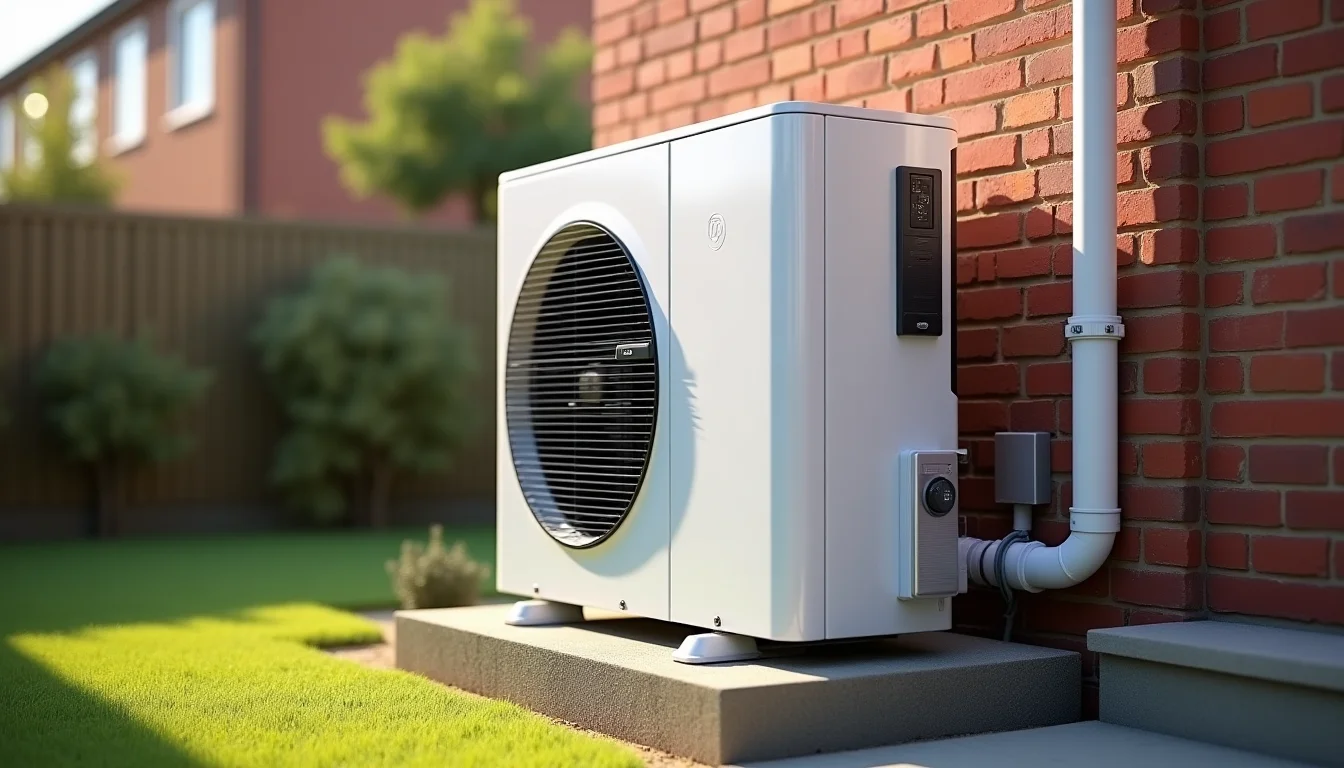
Exeter has a growing number of MCS certified heat pump installers covering the city and surrounding Devon villages. You can claim a £7,500 Boiler Upgrade Scheme grant towards your installation, and several local companies handle the application on your behalf. Browse heat pump installers in Exeter to get quotes from vetted local firms.
Why are Exeter homeowners switching to heat pumps in 2026?
Exeter sits in a part of Devon where the gas network covers much of the city centre but thins out quickly once you head towards Crediton, the Exe Valley, or Dartmoor's eastern fringe. If you're in one of those off-gas pockets and currently relying on oil or LPG, a heat pump can cut your heating bills significantly. The Energy Saving Trust estimates that replacing an old oil boiler with an air source heat pump saves a typical household around £1,400 a year.
But it's not just rural homes making the switch. Homeowners across Exeter's newer estates in Pinhoe, Cranbrook, and Monkerton are fitting heat pumps too, often because their properties already have good insulation and underfloor heating that makes the transition straightforward.
Exeter City Council has committed to being carbon neutral, and local interest in low-carbon heating has picked up sharply since the BUS grant increased to £7,500 in 2025.
What does Exeter's housing stock mean for heat pump installations?
Exeter's housing is genuinely mixed. You've got Georgian terraces around Southernhay, Victorian and Edwardian semis in St Thomas and Heavitree, post-war council-built homes in Whipton and Beacon Heath, and large modern developments spreading out towards Cranbrook.
Each type brings different considerations.
Georgian and Victorian terraces often have solid walls, which means external or internal wall insulation may be needed before a heat pump runs efficiently. Cavity wall insulation isn't an option on these properties because there's no cavity. A good installer will do a proper heat loss calculation and tell you honestly whether insulation upgrades should come first. Our guide on whether heat pumps work in old houses covers this in detail.
Post-war semis and terraces are often the sweet spot. They typically have cavity walls that are either already insulated or cheap to insulate, loft space that's easy to top up, and enough garden space for an outdoor unit.
New builds in Cranbrook and Pinhoe sometimes come with heat pumps already fitted. If yours didn't, the good news is that modern building regulations mean your insulation levels are already high, so a smaller, cheaper unit will do the job.
One thing to watch in central Exeter is space. Terraced properties in areas like Mount Pleasant or the city centre may have tiny rear yards. An air source heat pump unit needs to sit at least a metre from a boundary, and the MCS planning standards require the installer to check noise levels won't exceed permitted limits at a neighbour's window. It's doable on most properties, but it needs careful placement. If space is tight, have a look at our guide on installing a heat pump in a small garden.
How much does a heat pump cost in Exeter?
A typical air source heat pump installation in the Exeter area costs between £10,000 and £14,000 before the grant, depending on the size of your home and how much pipework needs changing. Ground source systems cost more, usually £18,000 to £28,000, but they're better suited to larger rural properties around Devon where you've got the land for boreholes or ground loops.
Take a three-bedroom Victorian semi in St Thomas as an example. The house has cavity walls (already insulated), a decent-sized rear garden, and existing radiators. The installer quotes £12,500 for an 8.5kW air source heat pump, a new hot water cylinder, and upgrades to three undersized radiators. After the £7,500 BUS grant, the homeowner pays £5,000. Their old gas boiler was costing around £1,100 a year to run. The heat pump, on a competitive electricity tariff, costs roughly £850 a year. That's a saving of £250 annually, plus the house's EPC rating improves from D to C.
The savings are much larger for oil-heated homes. If you're spending £2,000 or more a year on heating oil in a village outside Exeter, a heat pump could halve that.
The £7,500 Boiler Upgrade Scheme grant for Exeter homes
The Boiler Upgrade Scheme offers £7,500 off the cost of an air source or ground source heat pump. It's available across England and Wales, and in 2026 it remains fully funded with budget allocated through to March 2028, according to gov.uk.
Here's what you need to qualify:
- Your property must have a valid EPC (Energy Performance Certificate) with no outstanding loft or cavity wall insulation recommendations. If your EPC does flag these, you'll need to get the insulation done first, or provide evidence that the recommendations aren't applicable.
- You must be replacing an existing fossil fuel heating system, such as a gas boiler, oil boiler, or LPG system. Electric storage heaters also qualify.
- The property must be an existing building, not a new build.
- Your installer must be MCS certified. This is non-negotiable. The grant simply won't be issued otherwise.
Your installer applies for the grant on your behalf through Ofgem's portal. You don't need to fill in any government forms yourself. The £7,500 is deducted from your invoice, so you only ever pay the balance. Most Exeter installers have done this dozens of times and know the process inside out.
For full eligibility details, read our BUS eligibility guide for 2026.
Other grants available in Devon: ECO4 and the Warm Homes scheme
The BUS grant isn't means-tested, so anyone who meets the property criteria can apply. But if you're on a lower income or receiving certain benefits, you might qualify for even more support.
ECO4 is the energy company obligation scheme, which funds insulation and heating upgrades for households on benefits like Universal Credit, Pension Credit, or Child Tax Credit. In some cases, ECO4 can fully fund a heat pump installation with no contribution from you at all. Your local authority or an approved ECO4 installer can check your eligibility.
The Warm Homes: Local Grant is another option in 2026, delivered through local councils. Devon County Council has received funding to help homeowners in fuel poverty upgrade to low-carbon heating. You can read our full guide to the Warm Homes: Local Grant for details on how to apply.
You can't stack the BUS grant with ECO4 on the same measure, but you could, for example, use ECO4 to fund insulation and then use BUS for the heat pump itself. Our guide on combining the BUS grant with other schemes explains how this works.
"Will a heat pump actually heat my house properly?"
This is the question that stops most people from picking up the phone. It's a fair concern, especially if you've heard stories about cold houses or massive electricity bills.
The honest answer is that a properly sized, properly installed heat pump will heat your home just as well as a boiler. The key word there is "properly." A bad installation, where the installer hasn't done a room-by-room heat loss calculation or has fitted a unit that's too small, will leave you cold. That's why choosing an MCS certified installer matters so much. MCS standards require a full heat loss survey and system design before any equipment is ordered.
Exeter's climate actually helps here. Devon is one of the milder parts of the UK, with winter temperatures rarely dropping below -3°C for extended periods. Air source heat pumps are rated to work down to -20°C or lower, so Exeter's winters are well within their comfort zone. For more on this, see our article on whether heat pumps work in cold weather.
Do you need to rip out all your radiators? Usually not. Most existing radiators are oversized for modern insulated homes, and an installer can check each one during the survey. You might need to swap one or two for larger ones, particularly in bathrooms, but a full radiator replacement is rare. We've written a specific guide on whether heat pumps work with existing radiators.
How to find a trusted MCS certified installer in Exeter
Not all installers are equal, and choosing the wrong one is the single biggest risk with any heat pump project. Here's what to look for:
MCS certification is essential. Without it, you can't claim the BUS grant and you have no guarantee the installation meets industry standards. You can verify any company's MCS status on the MCS certified installer database.
Get at least three quotes. Prices in the Exeter area vary by £2,000 or more for the same property. Three quotes give you a sense of what's reasonable and help you spot anyone who's either cutting corners or overcharging.
Ask about their experience with your property type. If you've got a Victorian terrace in Heavitree, you want an installer who's done similar homes, not one whose entire portfolio is new builds. Our guide on questions to ask a heat pump installer gives you a full checklist.
Check reviews and ask for references. A reputable company won't hesitate to put you in touch with a previous customer in your area.
Be wary of anyone who quotes without visiting your property. A proper survey takes at least an hour, sometimes two for older homes. If someone's quoting over the phone, that's a red flag. Read more in our guide on red flags when hiring a heat pump installer.
Off-gas properties near Exeter: a strong case for heat pumps
Devon has one of the highest proportions of off-gas properties in England. Villages like Silverton, Brampford Speke, Thorverton, and many communities across East Devon and Dartmoor's edges rely on oil or LPG.
For these homes, the economics of a heat pump are particularly strong. Heating oil prices have been volatile over the past few years, and the ongoing cost of oil delivery to a rural Devon address adds up. A heat pump removes that dependency entirely. You're running on electricity, which you can top up with solar panels if you've got the roof space.
Ground source heat pumps are worth considering for rural properties with larger plots. They're more expensive upfront but tend to be more efficient than air source in the long run, and you won't have a visible outdoor unit. The BUS grant covers ground source systems too.
If your property is listed or in a conservation area, which is common across Devon's villages, permitted development rights for heat pumps still apply in most cases. But it's worth checking with East Devon District Council or Exeter City Council's planning team before committing.
Frequently asked questions
How much does a heat pump cost in Exeter?
A typical air source heat pump installation in Exeter costs £10,000 to £14,000 before the grant. After the £7,500 BUS grant, most homeowners pay between £2,500 and £6,500 out of pocket. Ground source systems are more expensive, typically £18,000 to £28,000 before the grant.
Can I get a free heat pump in Exeter through ECO4?
If you're on qualifying benefits like Universal Credit or Pension Credit, ECO4 can fund a heat pump installation at no cost to you. Contact your local authority or an approved ECO4 installer to check your eligibility. Not all properties or households will qualify.
Do I need planning permission for a heat pump in Exeter?
Most air source heat pump installations fall under permitted development and don't need planning permission. There are conditions around noise levels and placement, but your MCS certified installer will handle these. If your property is listed or in a conservation area, you may need to apply for consent from the council.
How long does it take to install a heat pump in Exeter?
A straightforward air source heat pump installation takes two to three days. If you need radiator upgrades, a new hot water cylinder, or significant pipework changes, it might stretch to four or five days. Your installer will give you a timeline after the survey.
Are there heat pump installers near Exeter that cover rural Devon?
Yes, most MCS certified installers based in Exeter also cover surrounding areas including Crediton, Tiverton, Exmouth, and villages across East Devon. You can find installers across Devon on our directory, including companies in Exmouth and Axminster.
Ready to get started? Browse MCS certified heat pump installers in Exeter to compare local companies and request quotes. It takes a couple of minutes, and there's no obligation.
Ready to talk to an installer in Exeter?
Compare the listed firms, then check current MCS status, service coverage and any grant registration directly. Contact routes are shown when a firm has published one.
Related guides
- Heat Pump Installers in York — Heritage Property Experts
York's conservation areas and listed buildings make heat pump installation tricky. Find MCS certified installers who know York's planning rules and heritage restrictions.
- Heat Pump Installers in Brighton — Eco-Friendly Heating
Find MCS certified heat pump installers in Brighton. Learn how the £7,500 BUS grant works, what Brighton's housing stock means for your install, and get real costs.
- Heat Pump Installers in Edinburgh — Grants & Local Experts
Find MCS certified heat pump installers in Edinburgh. Learn about Scottish grants worth up to £7,500, local installation tips and how to compare quotes properly.